If a bite turns serious
Health NZ says severe allergic reactions to bed bug bites are very rare, but anaphylaxis is an emergency, so call 111 straight away. For anything less urgent, you can call Healthline any time. See a healthcare provider if a bite looks infected, or you get a rash around a flea bite.
How to check a bed
Strip it
Take off all the bedding in good light and look at the sheet before you wash it. Small dark brown or black marks are what Health NZ calls faecal stains.
Run a torch along the seams
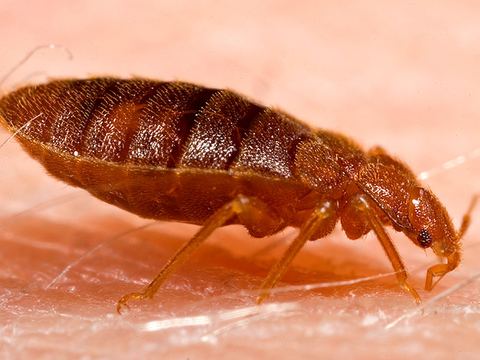
Mattress seams are the most common hiding place. You're after live bugs, cast-off skins and white eggs of around 1 mm.
Go to the frame
Check joints, slats and the underside of the base, then bedside tables and picture frames.
Finish at the floor
Look along the skirting boards and the carpet edge nearest the bed.
Bed bugs or fleas?
| Bed bugs | Fleas | |
|---|---|---|
| Size and look | Reddish brown, flat, oval, 4 to 7 mm | Around 3 mm, flat, shiny, and they jump |
| Bites | A series of itchy bites, often on exposed skin such as arms and shoulders | Usually on the legs and feet |
| When they show | May not appear until a few days later | Very itchy lump within 30 minutes |
| Came in on | Luggage, second-hand furniture, bedding or clothing | Cats and dogs, mostly |
| Next step | Bed bug treatment | Flea treatment, starting with the pet |
Bed bugs: read this before you throw anything out
Health NZ says washing and drying bedding and clothing at high temperatures can kill bed bugs, but they also hide in furniture and walls, so finding where they are comes first. It also says not to soak mattresses with insecticide, or treat infant bedding or cribs. Keep the bed where it is until someone has looked. Dragging a mattress through the house can spread them to other rooms. Our bed bugs page goes further.
What's eating the clothes?
Clothes moths prefer the dark of a wardrobe or drawer, and it's the larvae that do the damage, to wool, silk and fur. Look for silk cases and droppings inside hats and folded knits. They lay on dirty fabric first, so clean storage is half the answer.
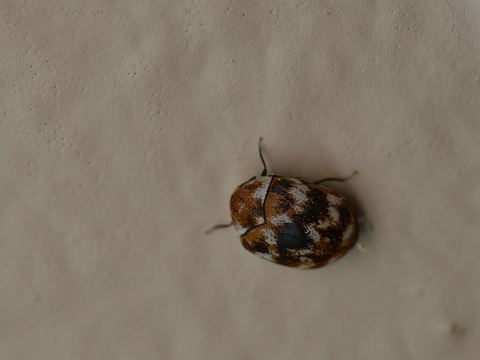
Carpet beetles are the other suspect. Finding little beetles on window sills, or empty hairy skins near the carpet edge, can mean you've got them. The larvae damage clothing, blankets and carpets, and their hairs can cause allergic reactions in some people. Frequent vacuuming along edges and under furniture is the first thing to do. See the carpet beetle page.
A spider on the wall
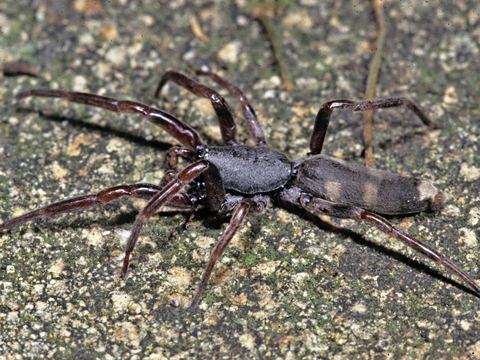
Almost certainly nothing to do with your bites. Te Papa suggests white-tails seen indoors around March may be males out looking for females. If you share a room with one, the white-tail page explains what's true and what isn't. Clothes and bedding left on the floor are worth a shake.
How they got to the bedroom
Bed bugs travel with people. Health NZ says many people pick them up in luggage when travelling, or bring them home in second-hand furniture, bedding or clothing. Bed bugs can't fly, but they can crawl short distances. Fleas arrive on pets, and moths and beetles fly or walk in from elsewhere in the house.
Tonight, and from here on
You can
- Wash and hot-dry bedding and clothes the fabric allows.
- Inspect second-hand furniture before it comes inside.
- Keep bags off the floor when travelling, and check them before leaving.
- Store woollens clean and vacuum carpet edges.
Leave to a pest business
- Finding where bed bugs are hiding.
- A bed bug control programme, including any follow-up visits.
- Fleas that keep biting after the pet has been treated.

What we'd do tonight
We'd do the torch check before we did anything else, and take a clear photo of whatever turned up. A mark on a sheet won't prove much, but a live bug or a shed skin will. If it's bed bugs, tap Bed bugs and leave the mattress where it is. It's a miserable thing to find, and very fixable. Your home isn't dirty: bed bugs follow people, not mess.
Want someone to look at it?
Tell us what you've seen and your postcode, and a local pest business that handles exactly that calls you to talk it through.