
Tauranga, Bay of Plenty
Pest control in Tauranga
Almost no frost, sand underfoot and a reserve down the road.
Tauranga's sunny coast and sandy soils suit Argentine ants and paper wasps, and the regional council leaves pest control on private land to whoever lives there, so it pays to know what you've got.
- Matched to what you've seen
- Only one local pest business gets your number.
Matched to what you've seen
Before a pest business can take jobs from Which Pest, we record the work it handles, so a borer job never lands with a business that only does wasps.
Only one local pest business gets your number.
We share your contact details with one local pest business so it can get in touch about this job.

Pest control in Tauranga: what to know before anyone calls
On this page
Why Tauranga is different
Hardly any frost
NIWA's table for Tauranga Airport averages 3.9 air frosts a year, and it says frosts are infrequent close to the moderating effects of the sea. High country on three sides also makes the Bay of Plenty one of the sunniest, least windy parts of New Zealand.
Sand suits Argentine ants
Bay of Plenty Regional Council says they favour sandy coastal and volcanic soils. Look for a steady, continuous trail of honey-brown ants, 2 to 3 mm long. They sit in the council's advisory programme, so control is up to the landowner or occupier.
Wasps are yours to manage
German and common wasps are advisory too. The regional council says they nest underground and in the cavities of trees and buildings, and managing them falls to whoever owns or occupies the land.
Paper wasps from the north
Asian and Australian paper wasps are limited to northern New Zealand, the regional council says, and they're less aggressive than German and common wasps. Their nests tend to hang where you can see them.
Mynas under the roofline
Common mynas are found throughout the North Island north of 40 degrees south. A pair nesting inside your eaves is a bird-proofing job rather than a spray job.
Where does the council's job stop?
A 2021 Tauranga City Council paper drew the line clearly. Its Parks and Environment Team manages animal pest control in reserves, and Predator Free Bay of Plenty works on private residential properties. That second group is a community backyard trapping initiative focused on rats and mice, not a pest business.
The same paper says predators don't distinguish between public and private land, and it warns about reinvasion from neighbouring properties. That's the catch with living beside a reserve. A rat problem often isn't yours alone, so ask any pest business how they'd stop animals coming back in. The paper also mentions frequent calls to the council about stoats and possums in neighbourhoods.
Rats lead the count
In May 2023 the regional council reported more than 30,500 pests recorded caught across 160,800 hectares of the Bay of Plenty with traps and bait stations. Over 17,000 of them were rats and 3,800 were possums. It's a regional tally that relies on volunteers entering their catches, not a Tauranga survey, but it's a fair picture of what moves about at night.
Scratching above the ceiling is a different matter from rats in the garden, because something has found a way in. That's where rat and mouse control starts: finding the gap, then dealing with what's inside.
Bees, hives and swarms
Tauranga City Council says beehives can be kept in the city, so a few bees working the garden isn't unusual. The council can ask an owner to move or remove a hive that's a nuisance or dangerous to someone's health.
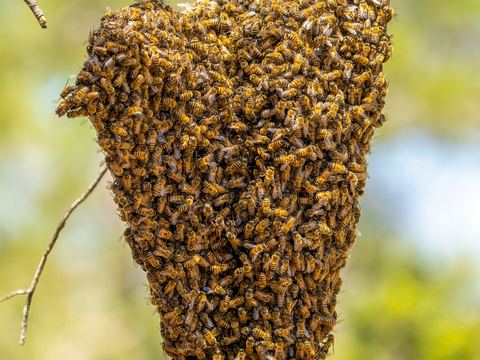
A swarm is a beekeeper's job. The council points residents to Bay of Plenty Bee, and says to tell the beekeeper when the swarm arrived, how big it is and where it is. Bees living in a wall or roof are different, and that's work for a pest business: see bees.
What can you do yourself?
You can
- Follow an ant trail as far back as you can and note where it goes.
- Shut food, pet food and compost away at night.
- Move cardboard, old newspaper and stacked timber away from the house.
- Photograph any nest from a safe distance.
Leave to a pest business
- Anything to do with a wasp nest.
- Argentine ant baiting, which the regional council says must be strategic and well coordinated.
- Rats or mice in the ceiling space.
- Bees in a wall or roof.

Our take on pests in Tauranga
We'd treat Argentine ants as a street problem rather than a kitchen problem. If the neighbours have them too, talk to them before anyone books, because DOC says larger super-colonies may need a coordinated community response. For everything else, tap what you've seen and let the pest business do the looking.
Want someone to look at it?
Tell us what you've seen and your postcode, and a local pest business that handles exactly that calls you to talk it through.
Questions
Pest control in Tauranga: common questions
Who deals with a wasp nest on my section in Tauranga?
You do, as the landowner or occupier. Bay of Plenty Regional Council puts German and common wasps in its advisory programme, so it doesn't enforce control, though it may give advice. A pest business can inspect the nest and quote.
Who do I call about a bee swarm?
A beekeeper. Apiculture New Zealand says to leave a swarm alone, because spraying it can make the bees sick or kill them, and Tauranga City Council points residents to Bay of Plenty Bee for collectors.
What if I think I've seen termites?
Don't disturb them, and call MPI. It's a biosecurity report rather than a pest job. The signs MPI describes are mud packed into gaps in timber and mud tunnels up walls or across open ground.
Seen a pest in Tauranga? Tell us what it is.
What you have seen, one tap about it and your postcode. Then a local pest business that handles exactly that calls you.
Before anyone starts
What to ask a pest business
Related help
More on pest control in Tauranga
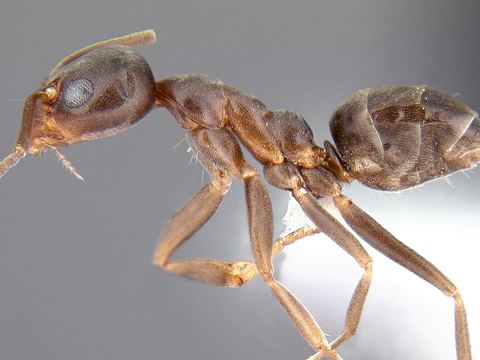 Ant controlHow to spot Argentine ants, why a spray can backfire, and when ants are worth paying someone for.Read it
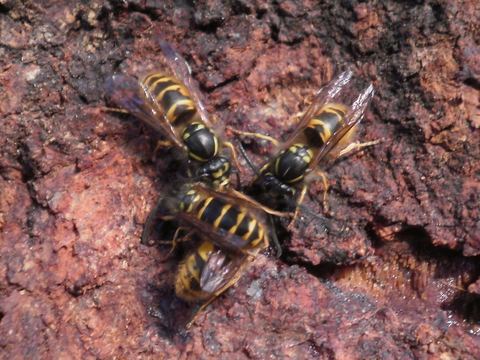 Wasp nest removalWhat to do first, which wasp you've got, and who deals with a nest on your land.Read it
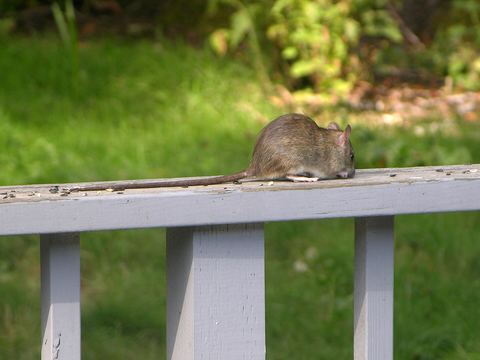 Rodent controlShip rat, Norway rat or mouse, why winter brings them indoors, and what a bait programme involves.Read it
 Bee swarmsWhat to do about a swarm, how to find a collector, and when bees need a pest business.Read itPest control in Mount MaunganuiArgentine ants on sand, rats near Mauao, apartment buildings and the port's watch for new insects.Read itPest control in PāpāmoaArgentine ants on sand, rats in the dunes, bait stations by the beach and katipō to leave alone.Read it
Where this information comes from
- NIWA (Chappell, P.R. 2013, Science and Technology Series 62) The climate and weather of Bay of Plenty, 3rd edition (PDF), checked 3 November 2026
- NIWA (Chappell, P.R. 2013, Science and Technology Series 62) The climate and weather of Bay of Plenty, checked 3 November 2026
- Bay of Plenty Regional Council Toi Moana Argentine ant, checked 3 November 2026
- Bay of Plenty Regional Council Toi Moana German and common wasps, checked 3 November 2026
- Bay of Plenty Regional Council Toi Moana Asian and Australian paper wasps, checked 3 November 2026
- New Zealand Birds Online (Wilson, P.R. 2013, updated 2022) Common myna, checked 3 November 2026
- Tauranga City Council Issues and options: Predator Free BOP (Long-term Plan deliberations, 24 June 2021), checked 3 November 2026
- Predator Free Bay of Plenty About us, checked 3 November 2026
- Bay of Plenty Regional Council Toi Moana Celebrating the Bay of Plenty's pest animal control efforts through technology, checked 3 November 2026
- Tauranga City Council Bees, checked 3 November 2026
- Apiculture New Zealand (industry body) Swarm collection, checked 3 November 2026
- Department of Conservation Argentine ants, checked 3 November 2026
- Ministry for Primary Industries Have you seen signs of termites? (brochure), checked 3 November 2026
Rules and advice change, so check the source before you act on anything here. How we write and check these pages.