
What does a general treatment cover?
There's no set definition, so read each quote closely. Most of the time it means a technician treats the places crawling pests travel and hide, inside the house and around the outside: ants, cockroaches, spiders and the like. That might take in skirting lines, window frames, eaves, the subfloor and the ceiling space.
What gets treated, and with what, should be written down before anyone starts. Two quotes with the same name on them can describe very different visits.
What's usually a separate job
- Rats and mice: bait stations, traps, proofing and follow-up checks.
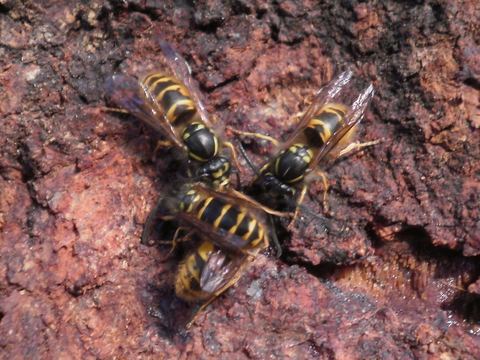
- Wasp nests: the nest itself has to be found and treated.
- Borer: a timber job that starts with an inspection.
- Bed bugs: a programme built around the beds, often over several visits.
- Fleas: timed to match treating the pets.
- Possums and birds: keeping them out is a different kind of work.
- Bees: a swarm goes to a beekeeper, while bees in a wall or roof are a job.
Is it worth paying for?
Yes, if you keep seeing a mix of insects around the house and can't pin it on one thing. It can also make sense when you've moved into a place that's been sitting empty, once you've had a good look around first.
No, if it's one white-tail on the wall or a few ants around a spill. If you've got one clear problem, go straight to that job. A general spray isn't built for it, and you'll end up paying twice.
Timing helps. Tenancy Services says insects tend to cause trouble around spring and early summer, and that rats and mice are a more common winter visitor. Our seasonal pest calendar lays out the year.
What happens on the day?
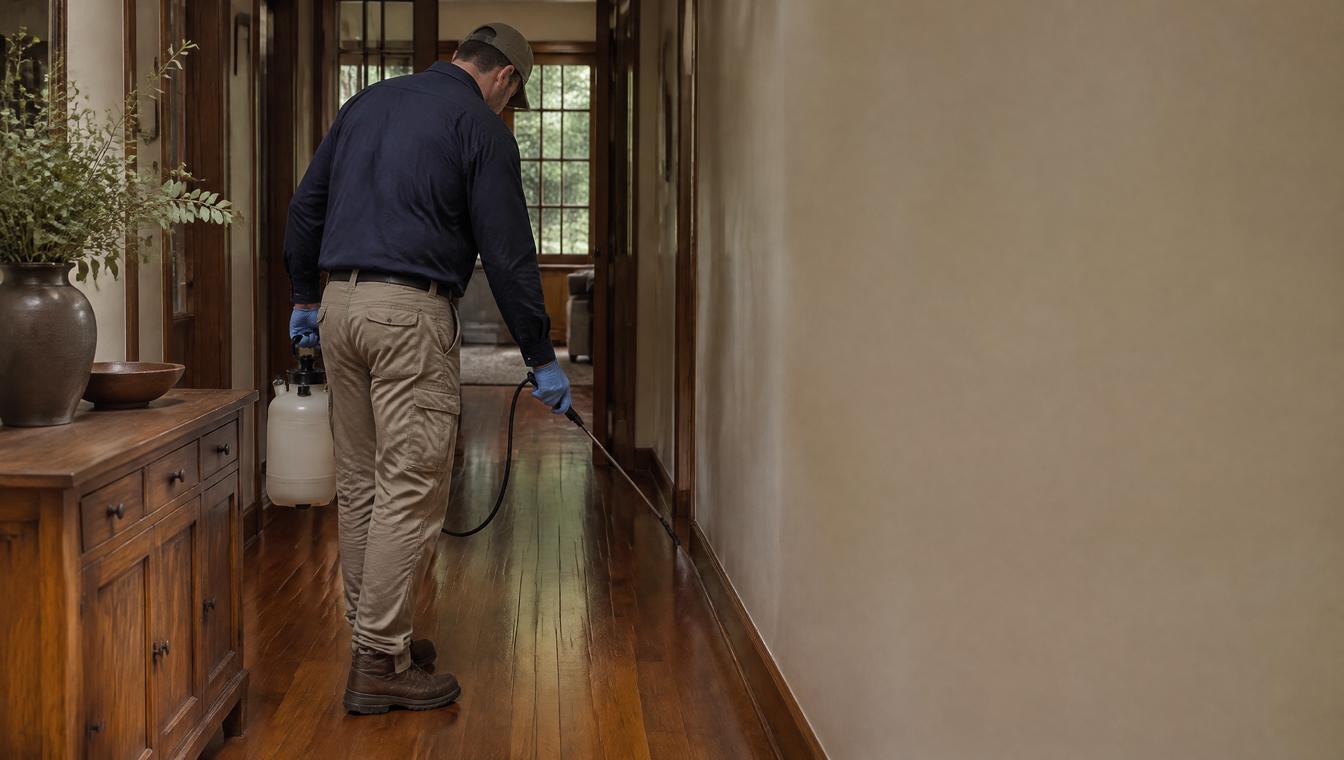
Expect a walk around first, then the treatment, then a written record of what was used and where. Mention kids, pets, allergies, fish tanks and veggie gardens before they start, so the technician can plan around them and tell you any precautions. They'll also tell you any re-entry or drying time.
Our guides to what happens at a pest treatment and getting ready before and after go through it step by step.
If someone gets into a pest product
If a product is swallowed, contact the National Poisons Centre on 0800 764 766 immediately, and don't make the person throw up unless you're told to. If it's burning or stinging someone's eyes, or they're unconscious, having trouble breathing or look very ill, call 111.
Who should be applying it?
Certain urban pest management substances come with a rule. Under New Zealand's hazardous substances notice, a contractor must be a qualified UPM contractor (UPM stands for urban pest management) to handle or apply them. Someone without the qualification can still apply them if a qualified contractor has given guidance for that place and is available at all times to help. The rule is about the substances, so ask what the person coming to your house actually holds.
The qualification to listen for is the New Zealand Certificate in Pest Operations (Level 3) (Urban Pest Control), or the older National Certificate in Urban Pest Management (Level 2). Ask about public liability insurance too, and whether the business belongs to PMANZ, the Pest Management Association of New Zealand, an association of pest management firms founded in 1976. Our guide to choosing a pest controller has the rest.
What a good written quote covers
- The pests it's for, by name.
- The areas being treated: inside, outside, subfloor, ceiling space.
- Each product's full name, with its safety data sheet on request.
- Any re-entry or drying times.
- Any follow-up visit, and what would trigger one.
- Any inspection or call-out fee.
- What results to expect, and what any warranty covers.
What makes the biggest difference
You can
- Clean up crumbs and pet food, and keep food in sealed containers.
- Fix leaks, and keep the subfloor dry and aired.
- Seal gaps around pipes, doors and windows.
- Empty anything holding standing water.
- Keep a week's notes and a few photos of what you're seeing.
Leave to a pest business
- Treating the subfloor, ceiling space and wall gaps.
- Choosing and applying products.
- Working out why pests keep turning up.

Where we'd start with general pest control for your house
We'd write down what we've actually seen for a week: what, where and what time. If it's one pest, we'd go to that page and ask for that job by name. If it's a mix, or it's a mystery, tap Not sure what it is and describe it. A straight answer about whether you need a treatment at all is a good first thing to ask for.
Want someone to look at it?
Tell us what you've seen and your postcode, and a local pest business that handles exactly that calls you to talk it through.