If a bite turns serious
Health NZ says bed bug bites aren't usually dangerous and severe allergic reactions are very rare. Anaphylaxis (a severe allergic reaction) is a medical emergency, so call 111 immediately. For a mild reaction, an antihistamine can help, and try not to scratch.
How do you know it's bed bugs?
You need something more than bites. Health NZ says most people get a series of itchy bites, much like mosquito or sandfly bites, and they may not show up for a few days. Some people don't react at all, which is how one person in a bed can be covered while the other is untouched.
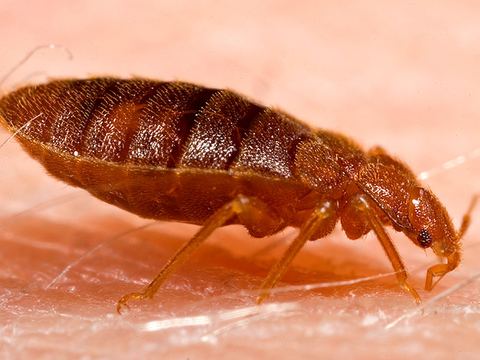
So look for the insect and what it leaves behind. Adults are reddish brown, with a flat oval body around 4 to 7 mm long. Eggs are white and around 1 mm. Health NZ also lists cast-off skins and faecal stains, which look like small dark brown or black marks.
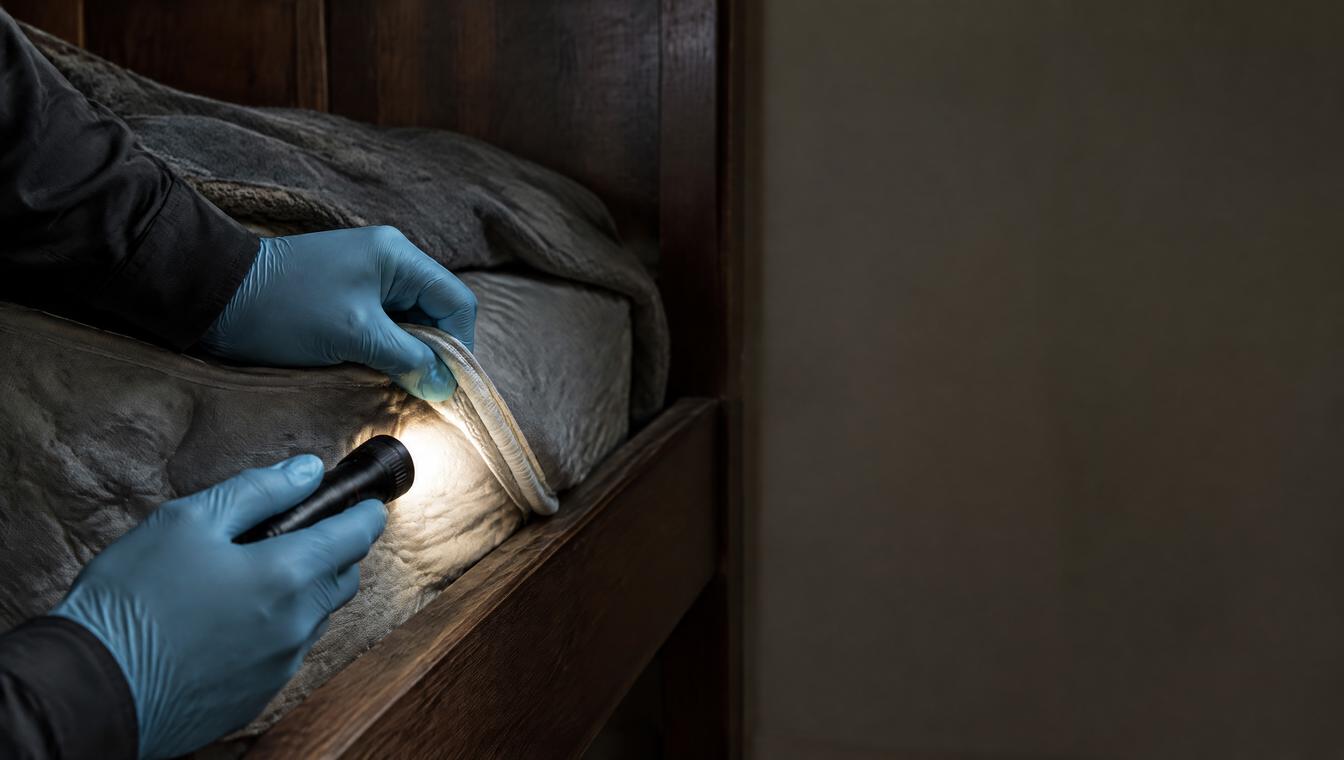
Where to look, with a torch
- The seams and piping of the mattress, where they're most often found.
- Bed frames and headboards, especially joints and screw holes.
- Bedside tables and picture frames near the bed.
- Under carpet edges and behind skirting boards.
- Behind loose wallpaper.
What to do today
Get proof
Photograph anything you find. If you can, stick a bug to clear tape. A real specimen settles the question quickly.
Hot wash what you can
Health NZ says washing and drying bedding and clothing at high temperatures can deal with bed bugs. Go as hot as each fabric allows.
Leave the furniture where it is
Don't drag the bed through the house or start moving into another room. Bed bugs can only crawl short distances, so most of their travelling is done in the things we carry.
Get an inspection
Health NZ's advice is to find where the bugs are before treating, because they often hide in furniture and walls. That's the part a technician is good at.
How did they get here?
Almost certainly in someone's bag or a piece of furniture. A suitcase after a trip is the usual route, and Health NZ also points to second hand furniture, bedding and clothing. They can't fly, so they have to be carried.
Bed bugs say nothing about how clean you are. Any household can get them, though they're found most often where people come and go, such as motels, hostels and apartment blocks.
What does a bed bug treatment involve?
Health NZ says a qualified pest management technician can advise on a control programme and monitor it. Think of it as a programme, not a one-off spray. The technician inspects the bed and the rooms around it, works out how far the bugs have spread, and tells you what to wash, bag and leave in place.
Insecticide sprays are used on bed frames and mattresses. Health NZ is clear on two limits: mattresses shouldn't be soaked, and infant bedding and cribs shouldn't be treated. If there's a baby in the house, say so before anyone starts.
Repeat visits may be needed, because bed bugs go through several life stages and can survive for months between feeds. That also means leaving the bed empty for a few weeks won't starve them out.
What makes the job bigger or smaller?
How many rooms are affected is the big one. A single bedroom caught early is very different from a whole flat, or a run of motel rooms. Clutter around the bed gives them more places to hide. Shared walls matter as well, so if you're in a unit, mention the neighbours.
Before the technician arrives
You can
- Wash and dry bedding and clothes as hot as the fabric allows.
- Vacuum around the bed, then seal what you've vacuumed in a plastic bag.
- Clear clutter from under and around the bed.
- Tell the technician about babies, allergies and anyone who's unwell.
- Keep a note of where and when the bites happen.
Leave to a pest business
- Finding the hiding places you can't see.
- Any treatment of the bed frame or mattress.
- Working out whether the bugs have reached other rooms or units.
Ask this before they start
- How did you confirm these are bed bugs?
- Which rooms are you treating, and why those?
- What will you use, and can I see the full product name and safety data sheet?
- What do I need to wash, bag or leave alone?
- How many visits are in the quote, and how far apart?
- How long before we can sleep in the room again?

Where we'd start with bed bug treatment
We wouldn't throw anything out yet, and we wouldn't start spraying. We'd find a bug or a stain to prove it, wash everything we could as hot as it would go, and tap Bed bugs. It's a miserable thing to find, but it's a known job with a known process, and you don't have to work it out alone.
Want someone to look at it?
Tell us what you've seen and your postcode, and a local pest business that handles exactly that calls you to talk it through.