
Taupō, Waikato
Pest control in Taupō
High, cold and foggy, with plenty of places left empty between visits.
Taupō's high, frosty winters make rats and mice the job to watch for, especially in a bach that sits empty for weeks, and the Waikato region's wasp rule applies here too.
- Matched to what you've seen
- Only one local pest business gets your number.
Matched to what you've seen
Before a pest business can take jobs from Which Pest, we record the work it handles, so a borer job never lands with a business that only does wasps.
Only one local pest business gets your number.
We share your contact details with one local pest business so it can get in touch about this job.
Pest control in Taupō: what to know before anyone calls
On this page
What's different in Taupō
High country
NIWA counts the area around Taupō among the high altitude parts of the Waikato region. Its table for the Taupō station averages 35.2 air frosts a year, against 21.0 at Hamilton's Ruakura station.
The foggiest station in NIWA's Waikato list
Fog in the region ranges from an average of 50 days a year at Taupō down to once every five months at Coromandel, NIWA says, and it's most common between March and August. Morning humidity at the airport averages 82%. Cold, damp air gives anything small a reason to find a dry ceiling.
Rats on the lake edge
Taupō District Council said in November 2024 that a trapline set up in Spa Park in early 2024 had taken 332 pests, including 40 possums and 217 rats. That's a park, not your house, but it shows what lives close to town.
Waikato's wasp rule reaches here
Rule WASP-1 of the regional pest plan covers the whole Waikato region, Taupō included. If you're directed after a complaint, common or German wasp nests on your property are yours to control.
Nests are hard to spot
Waikato Regional Council says these wasps usually nest underground, sometimes in hollow trees, walls and roofs, and that nests can be difficult to find in bush or scrub. Flight paths show up at dawn or dusk on warm, sunny days, so watch from well back.
The trouble with a bach that sits empty
A place that's shut up for a few months is quiet, dry and out of the weather, which suits a mouse perfectly. If you only come down for summer and long weekends, you won't hear the scratching, so the evidence is whatever you find when you open up.
The EPA lists droppings, teeth marks and scratching noises as the signs of rats in a house. It also says one female rat has 15 to 20 babies a year, which is why a few droppings are worth acting on.
What should you check when you open up the bach?
- Droppings in the pantry, the hot water cupboard and behind the fridge.
- Teeth marks on packets, bags and the edges of soft timber.
- Nests in cardboard, old newspaper or stacked firewood.
- Wasps coming and going from a wall, a bank or the lawn, watched from well back.
- Pet food or bird seed left out from the last visit.
Before you lock up again
The EPA says to put away all food, including pet food, and to clear out old newspaper, cardboard and piles of timber, bricks and rubble, because rats nest in them. It also says rats are good climbers, so trim branches that touch the building.
Leave nothing in the pantry that isn't in a tin or a sealed jar. If you're finding fresh signs every time you arrive, the gaps they're using need finding, and that's the part a pest business does well. See rat and mouse control.
What about ants and mynas?
DOC lists Waikato among the places Argentine ants are known, but we couldn't confirm them in Taupō itself, so have a trail identified before you assume. We've left common mynas off this page too: NZ Birds Online says they're absent from some areas of the volcanic plateau.

What we'd do about pests in Taupō
If we owned a bach here, we'd sort it before leaving rather than on the way back in. Food shut away, cardboard gone and branches trimmed is an afternoon's work. If the signs are still there each time you arrive, tap what you've found and let a pest business work out how they're getting in.
Want someone to look at it?
Tell us what you've seen and your postcode, and a local pest business that handles exactly that calls you to talk it through.
Questions
Pest control in Taupō: common questions
Who deals with a wasp nest on a Taupō reserve?
In the Waikato region, problem nests on district council reserves and accessways should be reported to that council, so here it's Taupō District Council, which should arrange for them to be destroyed. Nests on DOC land go to the nearest DOC office or visitor centre.
I'm allergic to stings. What should I do about a nest?
Stay well clear and don't attempt it. Waikato Regional Council advises people who are allergic to arrange a commercial pest control contractor instead, and its pest animal staff give advice. If anyone has trouble breathing after a sting, call 111.
Could old sleepers in the garden bring termites?
MPI says Australian subterranean termites are most likely to be linked to imported wood such as Australian hardwood railway sleepers used in landscaping. If you see mud packed into timber or mud tunnels, don't disturb them and call MPI.
Seen a pest in Taupō? Tell us what it is.
What you have seen, one tap about it and your postcode. Then a local pest business that handles exactly that calls you.
Before anyone starts
What to ask a pest business
Related help
More on pest control in Taupō
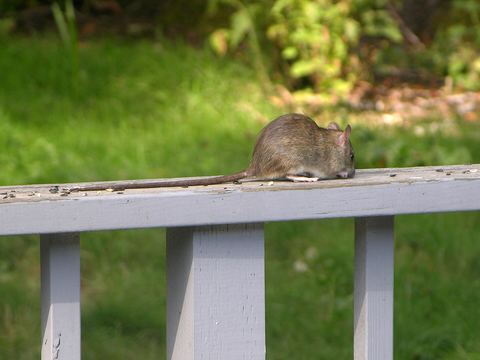 Rodent controlShip rat, Norway rat or mouse, why winter brings them indoors, and what a bait programme involves.Read it
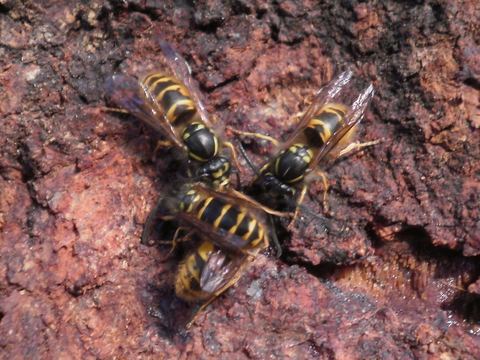 Wasp nest removalWhat to do first, which wasp you've got, and who deals with a nest on your land.Read it
 Pests in the kitchen and pantryCockroaches, ants, mice or pantry moths: how to tell which, and what to do first.Read itRats in the ceiling and roof spaceWhat's making the noise in the ceiling, which droppings to look for, and what to do next.Read it
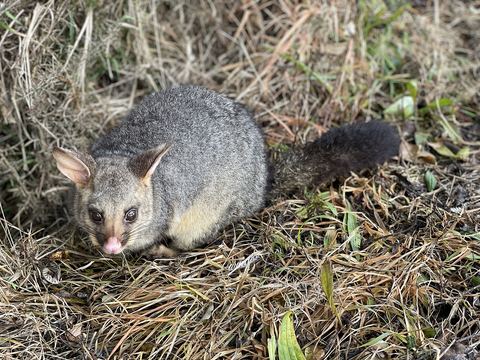 Possum controlHow to tell it's a possum, how they get into a roof, and what to ask a pest business.Read itTermites in New ZealandWhat MPI says, the signs to look for, and why a suspected find is a call, not a job.Read it
Where this information comes from
- NIWA (Chappell, P.R. 2013, Science and Technology Series 61) The climate and weather of Waikato, checked 3 November 2026
- NIWA The climate and weather of the Waikato, 2nd edition (PDF), checked 3 November 2026
- Taupō District Council (release on Scoop) Birds of a feather flock to Spa Park, checked 3 November 2026
- Waikato Regional Council Common wasp and German wasp factsheet (Regional Pest Management Plan 2022 to 2032), checked 3 November 2026
- Waikato Regional Council Common wasp and German wasp factsheet (7607, May 2025), checked 3 November 2026
- Environmental Protection Authority (EPA NZ), Wai Tuwhera o te Taiao Rats factsheet, checked 3 November 2026
- Department of Conservation Argentine ants, checked 3 November 2026
- New Zealand Birds Online (Wilson, P.R. 2013, updated 2022) Common myna, checked 3 November 2026
- Ministry for Primary Industries Have you seen signs of termites? (brochure), checked 3 November 2026
Rules and advice change, so check the source before you act on anything here. How we write and check these pages.