
Stung, or a nest by the door?
Get everyone inside and leave the nest alone. If anyone's face or throat swells, or they struggle to breathe after a sting, call 111. For advice at any hour, the National Poisons Centre is on 0800 764 766.
What's local to Lower Hutt
Bush to the west and east
Belmont Regional Park, Greater Wellington's largest, covers the hill country between Lower Hutt and Porirua. To the east, East Harbour Regional Park's Northern Forest sits between Eastbourne and Wainuiomata.
Bait stations in the Northern Forest
Greater Wellington controls rodents with toxins in bait stations across large parts of that forest, and asks visitors not to touch any bait, lures or carcasses. Keep dogs close on those tracks.
Wasps along water and bush
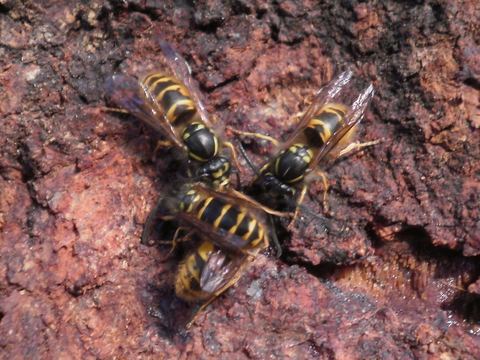
Greater Wellington's pest plan says German and common wasps live everywhere from backyards to parks and stream banks, and are common in native bush. A section that backs onto a stream or bush reserve is worth watching in late summer.
A valley full of trappers
Predator Free Hutt Valley, led by Hutt City Council with DOC's support, listed 18 community groups under Lower Hutt when we checked. In Belmont Regional Park, two community groups destroyed 1,875 predators in a year, Greater Wellington said in July 2026.
What that means at your place
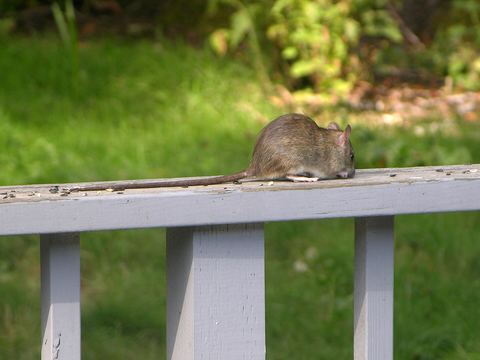
All that trapping in the reserves won't help with a rat that's already in your ceiling. That's a job at the house: finding the way in, closing it, and dealing with the rats inside.
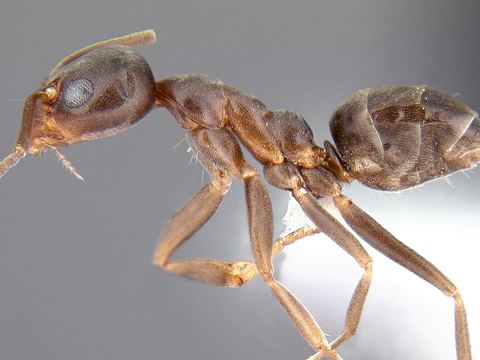
Ant trails deserve a closer look. DOC lists Wellington among the places Argentine ants are known, but we haven't found an official record naming Lower Hutt suburbs. If the trail is wide and the ants are small and honey-brown, ask the pest business to confirm the species before treating.
Wasps fall under a regional rule. Greater Wellington can give an occupier written notice, and from then there are 10 working days to have the nests destroyed. It also has a pest line.
Tell the pest business
- Whether your section backs onto bush, a reserve or a stream.
- Where the nest is, and how close it is to doors and paths.
- Where you hear scratching, and at what time of night.
- Whether a dog or children use the garden, so they can plan around them.

What we'd do in Lower Hutt
We'd note what's on the other side of the back fence before ringing anyone. Bush, a stream or a reserve changes what a pest business looks for, and helps them tell a one-off visitor from a regular one. Then tap the pest you've seen.
Want someone to look at it?
Tell us what you've seen and your postcode, and a local pest business that handles exactly that calls you to talk it through.