If someone feels unwell after a treatment
Ring 111 if they're unconscious, have difficulty breathing or look very ill, or if a chemical is causing burning or stinging in their eyes. For advice, the National Poisons Centre is on 0800 764 766, any time. Have the product name ready, which is one more reason to ask for it.
What is a general pest treatment?
It's the visit most people mean when they say a pest spray: a technician treats around the house for everyday crawling insects and spiders. It's a good fit when you're seeing a mix of things, and a poor fit when you've got one specific problem.
A general spray isn't the job for a wasp nest, rats in the ceiling or borer in the timber. Each of those needs its own approach, and a good business will tell you so on the phone. General pest control explains when it makes sense.
What happens, start to finish
The first conversation
You say what you've seen and where. They'll ask how long it's been going on. This is when to tell them about kids, pets, allergies, fish tanks and veggie gardens.
The inspection
A technician looks before anything is applied, because the right treatment depends on what the pest is and where it's living. Expect them to look under sinks, along skirtings, around the outside walls, and perhaps in the ceiling or subfloor.
The quote
You should know what's being done before it's done. Consumer Protection recommends a written quote, which should cover the work, any other costs and how long it will take.
Getting ready
They'll tell you what to move, cover or empty. Our before and after guide has the usual list.
The treatment
This can mean a spray along edges and cracks, a gel bait in cupboards, a dust puffed into a wall cavity, or bait stations (locked boxes that hold rodent bait). Often it's a mix.
Re-entry
The technician will tell you any re-entry or drying time, and what's okay to touch or clean. If they don't, ask before they leave.
The record
Ask for the full product name, where it was applied, the re-entry time and any follow-up, in writing.
The follow-up
Some jobs need a second visit, so check whether that's part of the quote.
How do treatments differ by pest?
| What usually happens | Worth knowing | |
|---|---|---|
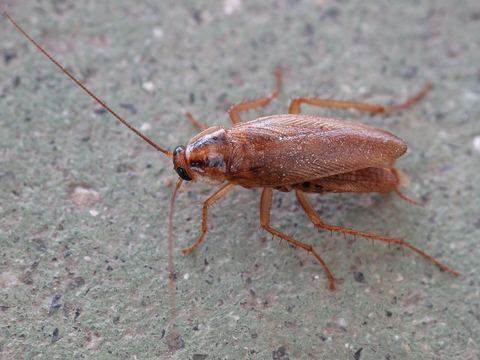
| Cockroaches | Treatment where they hide by day and pass through at night, often with baits | Health NZ says to use a trained, qualified operator to apply baits |
| Fleas | Treatment of the floors and resting places | Health NZ says pets need treating too, and carpets vacuumed |
| Bed bugs | Finding where they hide first, then treating bed frames, mattresses and cracks | Mattresses shouldn't be soaked, and infant bedding and cribs shouldn't be treated |
| Rats and mice | Locating entry points, proofing, and bait stations if needed | Health NZ says a qualified technician can advise on and monitor toxic baits |
| Wasps | Finding and treating the nest itself | Paper wasp nests are treated at dusk, when most wasps are back at the nest |
| Borer | A surface treatment on bare timber, or replacing bad boards | Consumer NZ said in 2015 that bombs and fogging won't stop larvae inside timber |
Why isn't a can from the supermarket the same thing?
Sometimes it's enough for one wandering insect. The trouble starts when the problem is a colony you can't see. DOC warns that the wrong amount of pesticide could lead an Argentine ant colony to separate, which makes the ants harder to control. And a spray doesn't reach what's in the wall, under the floor or inside the timber.
There's a legal side too. Certain urban pest management substances can only be handled or applied by a qualified UPM contractor, or someone working under one. Our guide on choosing a pest controller explains that rule.
What makes a job bigger or smaller?
How far it has spread, how many rooms are involved, whether the technician can get into the roof or subfloor, and whether follow-ups or proofing are needed. A tidy, accessible house is quicker to treat, which is one reason it's worth clearing the edges of rooms beforehand.
What to ask on the day
- What did you find, and can you show me?
- Which product are you using, and where are you putting it?
- When can we go back in, and is there a drying time?
- Should we avoid cleaning anywhere for a while?
- What will we see in the next few weeks, and when should we call you back?
- What can we change around the house to stop this happening again?

What we'd watch for
We'd judge the visit by the first ten minutes. A technician who looks around, asks questions and shows you what they found is doing the job properly. One who starts spraying before they've looked isn't. If you're at the stage of working out what you've got, tap the pest that fits and tell the business what you've seen.
Want someone to look at it?
Tell us what you've seen and your postcode, and a local pest business that handles exactly that calls you to talk it through.