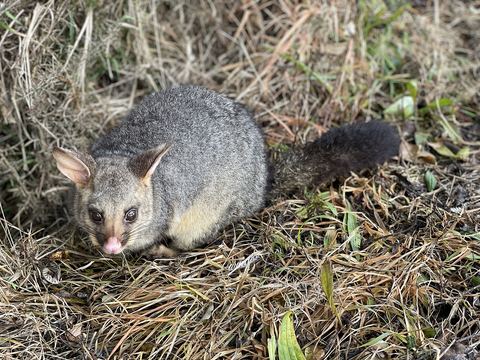
Is it a possum?
DOC describes a thick bushy tail, thick body fur, a pointed snout and large pointed ears. Predator Free NZ adds that brushtail possums can be silver-grey, brown, black or gold. They're bigger than most people expect: DOC gives 65 to 95 cm long and 1.4 to 6.4 kg for an adult.
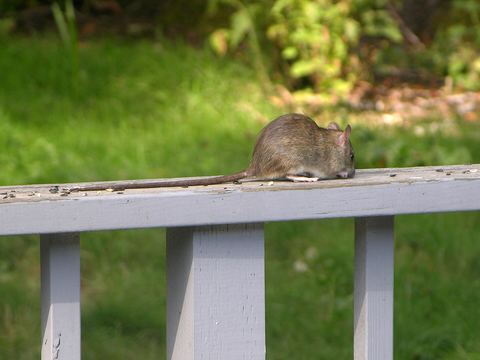
Noise alone won't settle it. Thumping above the ceiling after dark could be a possum or rats, so look for the signs below before you decide. Rats and mice are a different job.
What signs should you look for?
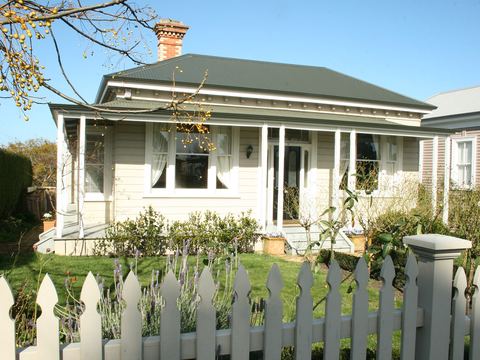
- Scratch marks and fur around a gap in the eaves or weatherboards.
- Loose or rotten weatherboards, or gaps between timber boards.
- Noises that start after dark: DOC says possums are nocturnal.
- A tree near the house with scratched bark and chewed leaves.
- Half-eaten fruit, buds and flowers on the ground below it.
- A smell, or a stain spreading across the ceiling.
Why is there a possum in my roof?
It's dark and dry. An Environment Bay of Plenty factsheet says possums sleep in nests or dens during the day, and those can be inside roofs or house walls, in sheds, in basements or under floorboards. DOC says they can live anywhere with shelter and a varied food supply, and a suburban section often offers both.
Getting in is easier than it looks. The same factsheet says they climb the side of a house, then work through loose or rotten weatherboards or squeeze through gaps between timber. It dates from 2003, but the point about possums on roofs still holds: it says they're frequently seen in urban areas.
What if a possum is inside the house right now?
Don't chase it
Move kids and pets to another room and shut the door. Chasing it can damage furniture and curtains, and there's no need to corner it.
Give it a way out
Turn off the lights and open the nearest doors and windows, so it can leave by itself.
Check in the morning
If it hasn't gone, it'll probably be under furniture or in a dark corner. Don't try to pick it up. Tell us where it is and what you've seen.
What does possum control involve?
An inspection comes first. The technician checks the roof, eaves and weatherboards from outside, looks into the ceiling space, and works out how many ways in there are and whether more than one animal is using them.
Then the pest business deals with the animal and closes the way in, in that order. Closing a gap with a possum still inside just makes a new problem. A follow-up visit is common, to check nothing is still getting through.
We don't cover traps or bait on this page. We haven't checked New Zealand's rules on either, so how the animal is dealt with is a question for the pest business.
What makes the job bigger or smaller?
Mostly access and damage. A single-storey roof with one obvious gap is a smaller job than a two-storey house with several. Rotten boards may need a builder as well, mess in the ceiling space may need cleaning up, and branches resting on the roof keep offering a way back.
Do the rules change by region?
Yes. Possums are an introduced pest here, but regional pest plans don't all deal with them the same way. Under Otago's Regional Pest Management Plan, they're listed as pests only in Dunedin's site-led areas. In the Wellington region, rats and possums sit in Greater Wellington's site-led programmes.
Horizons runs a possum control programme within Palmerston North, and Hamilton City Council says urban pest control needs special care and attention. Your regional council's pest pages will show what applies where you live, and the pest business should be able to tell you too.
Why does it matter beyond the noise?
Possums were brought here from Australia in 1837 for a fur trade, and a second release in Southland in 1858 established them. DOC now calls them one of the greatest threats to New Zealand's natural environment. They eat native birds, eggs, land snails and wētā, and DOC says regular predator control helps towards the Predator Free 2050 goal.
What can you do, and what should you leave?
You can
- Trim branches that touch the roof or sit close to it.
- Note when you hear it, and which part of the ceiling.
- Photograph scratch marks and gaps from the ground.
- Pick up fallen fruit, and bring pet food in at night.
Leave to a pest business
- Getting the animal out of the roof.
- Any trapping or baiting.
- Closing the way in once it has gone.
- Anything on the roof or up a ladder.
What should you ask the pest business?
- How will you deal with the animal, and what will you use?
- Which rules apply to that method at my place?
- If bait is involved, where does it go, and how are kids and pets kept away from it?
- Who closes the way in: you or a builder?
- Does the quote cover cleaning up the ceiling space?
- What happens if the noises carry on afterwards?

Where we'd start with possum control
We'd walk around the house in daylight first, looking for scratch marks, fur and loose boards, and we'd note what time the noises start. Then we'd tell a pest business what we found, rather than setting anything up in the roof ourselves. The way in matters as much as the animal.
Want someone to look at it?
Tell us what you've seen and your postcode, and a local pest business that handles exactly that calls you to talk it through.