
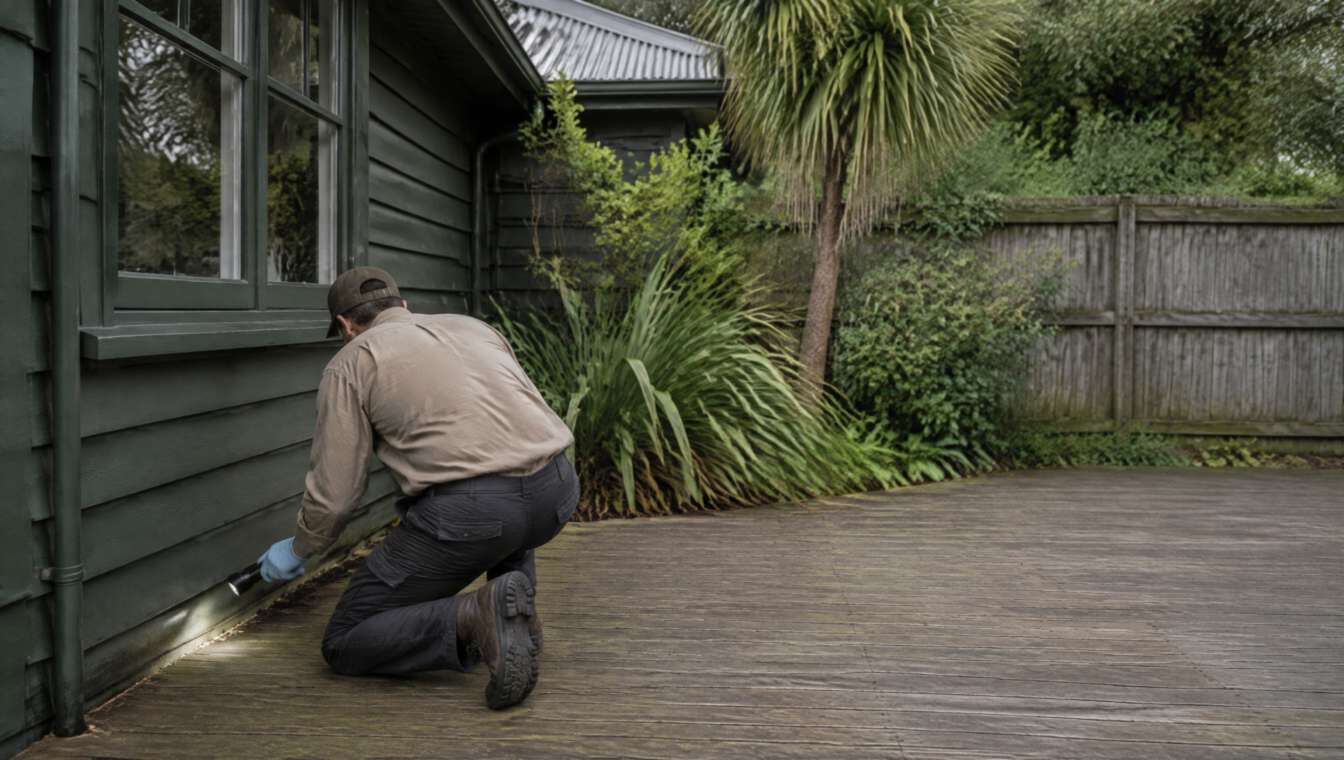
Invercargill, Southland
Pest control in Invercargill
When Southland gets cold, pests head for the warm parts of the house.
Southland's cold winters make rats and mice the job to expect around Invercargill, with borer, white-tails and summer wasps behind them, so tell us what you've seen and a local pest business will ring you.
- Matched to what you've seen
- Only one local pest business gets your number.
Matched to what you've seen
Before a pest business can take jobs from Which Pest, we record the work it handles, so a borer job never lands with a business that only does wasps.
Only one local pest business gets your number.
We share your contact details with one local pest business so it can get in touch about this job.
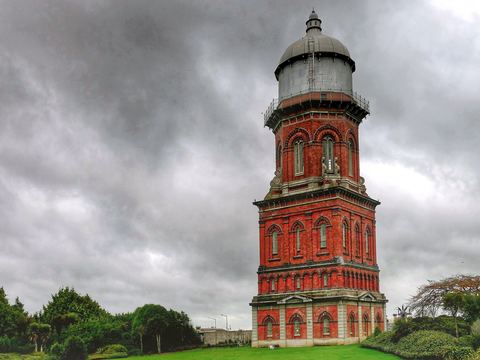
Pest control in Invercargill: what to know before anyone calls
On this page
If anyone gets into rat bait
If a child has swallowed rat bait, ring the National Poisons Centre on 0800 764 766 straight away. If a pet has, take it to the vet now. Any bait in the house should sit in locked bait stations, out of reach.
What's different in Invercargill
Colder than most of the country
NIWA says Southland's temperatures are on average lower than the rest of New Zealand, with frosts and snowfalls relatively frequent each year.
Less sunshine
Southland also gets less sunshine on average than the rest of the country, NIWA says.
Three kinds of rat
Environment Southland lists the Norway rat, the ship rat and the kiore, with the Norway rat the largest of the three. The EPA places kiore in the south of the South Island.
Where possums took hold
Possums were first brought to New Zealand in 1837, DOC says, but it was a second release in Southland in 1858 that established them.
Who to ask
Environment Southland is the regional council, and Invercargill City Council the local one.
Rats and mice in a Southland winter
When it's cold out, a warm ceiling space and a pantry look good to a rodent. Tenancy Services says winter is a more common time for rats and mice to get in. Environment Southland's Pest Hub puts a house mouse at about 30 g and around 115 mm long without the tail, small enough to get through gaps you wouldn't think twice about.
DOC calls the ship rat the most common rat in the country, and it's a climber, so it's the usual one in the ceiling. Norway rats stay lower, under the house and around drains.
Borer
Borer goes for soft timber in floors, piles and weatherboards. Consumer NZ said in 2015 that it prefers moist timber and is often found on the south side of a building, which matters in a cold, less sunny climate. Look for round holes with fine dust beneath, and see borer treatment for what a job involves.
White-tails
Te Papa says Lampona cylindrata, one of the two white-tailed spiders, has been widespread across the South Island since about 1980, and that white-tails are strongly linked to urban homes. Health NZ says a bite brings pain, swelling and itching that go away with no lasting effects, and it doesn't cause ulcers. One spider on the wall isn't a job worth paying for.
Wasps
We haven't found a Southland figure for when wasps peak, so don't rely on a late season. A nest near the house is still a job for a pest business, and an older nest has more defensive workers.

If we were in Invercargill
We'd get ahead of winter. In autumn we'd check where pipes and cables enter the house, store food in sealed containers and clear out cardboard and timber piles. If we were already hearing scratching, we'd tap Rats or mice and say whether it's overhead or underfoot.
Want someone to look at it?
Tell us what you've seen and your postcode, and a local pest business that handles exactly that calls you to talk it through.
Questions
Pest control in Invercargill: common questions
Is a white-tail bite dangerous?
Health NZ says the symptoms go away with no long-lasting effects, and white-tails don't cause skin ulcers. If a bite becomes very red, painful or blistered, or looks infected, see a healthcare provider.
Which rat have I got?
Probably a ship rat if it's in the ceiling, or a Norway rat if it's under the house. Kiore are the third Southland species, but DOC says ship rats are the ones most commonly found.
Seen a pest in Invercargill? Tell us what it is.
What you have seen, one tap about it and your postcode. Then a local pest business that handles exactly that calls you.
Before anyone starts
What to ask a pest business
Related help
More on pest control in Invercargill
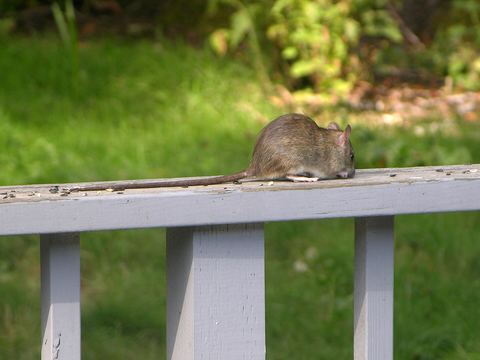 Rodent controlShip rat, Norway rat or mouse, why winter brings them indoors, and what a bait programme involves.Read it
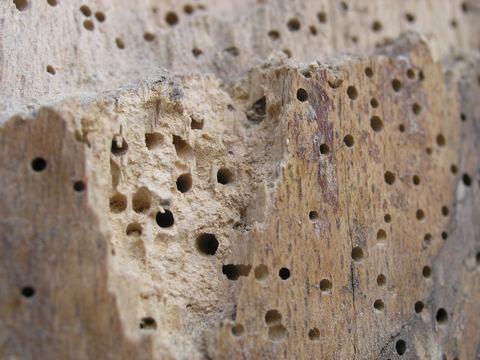 Borer treatmentHow to read the holes and dust, what a treatment involves, and when timber has to be replaced.Read it
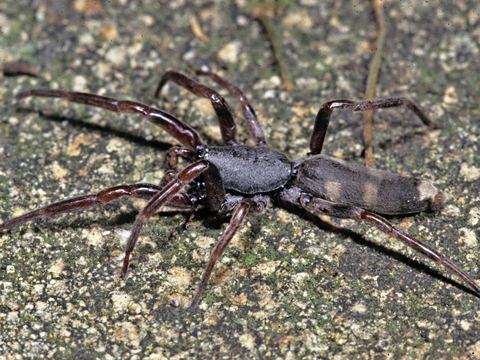 White-tail spiderWhat a white-tail looks like, why it wanders indoors, and what a bite really does.Read itSpider controlWhich spiders matter here, when a treatment earns its keep, and what to ask before anyone starts.Read it
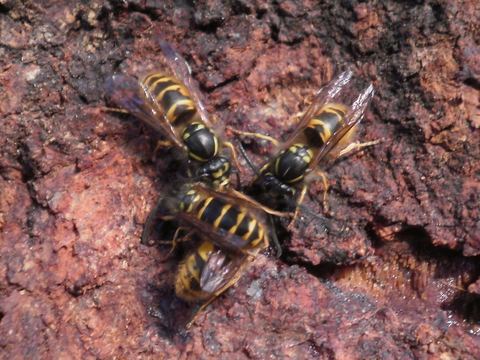 Wasp nest removalWhat to do first, which wasp you've got, and who deals with a nest on your land.Read it
 Pest control in DunedinPossum rules by area, rats in the ceiling and borer in older timber: what's different in Dunedin.Read it
Where this information comes from
- NIWA (Macara, G.R. 2013, Science and Technology Series 63) The climate and weather of Southland, checked 3 November 2026
- Environment Southland (Southland Pest Hub) Pest Hub listing (rat, house mouse, wasps, possum), checked 3 November 2026
- Environment Southland (Southland Pest Hub) Pest Hub listing (rat, house mouse, wasps, possum), checked 3 November 2026
- Environmental Protection Authority (EPA NZ), Wai Tuwhera o te Taiao Rats factsheet, checked 3 November 2026
- Department of Conservation Rats, checked 3 November 2026
- Department of Conservation Possums, checked 3 November 2026
- Tenancy Services (Ministry of Business, Innovation and Employment) Pests and infestations, checked 3 November 2026
- Consumer NZ (independent consumer organisation, not a regulator) Borer and other pests, checked 3 November 2026
- Te Papa Tongarewa (Collections Online) White-tailed spiders, checked 3 November 2026
- Health New Zealand Te Whatu Ora Treating spider bites, checked 3 November 2026
- University of Auckland (news) Wasp numbers explode after long, hot summer, checked 3 November 2026
- National Poisons Centre (New Zealand) National Poisons Centre home page, checked 3 November 2026
Rules and advice change, so check the source before you act on anything here. How we write and check these pages.