If bait has been swallowed
If a child may have eaten rodent bait, ring the National Poisons Centre on 0800 764 766 straight away, and don't make them throw up unless you're told to. If a pet has eaten it, ring your vet now. Call 111 if anyone is unconscious, struggling to breathe or looks very ill.
Is it a rat or a mouse?
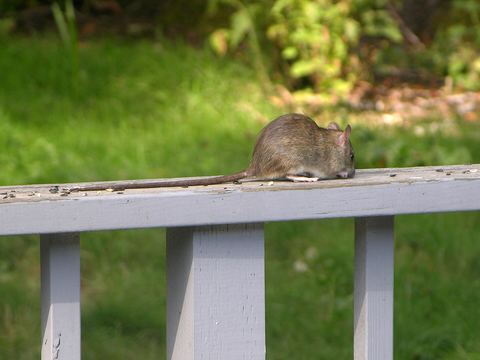
Look at the droppings and the tail. A mouse is small, with a tail about as long as its body and droppings to match. A rat is a much bigger animal, and you'll notice the difference in what it leaves behind. The EPA's list of signs in a house is short: droppings, teeth marks and scratching noises.
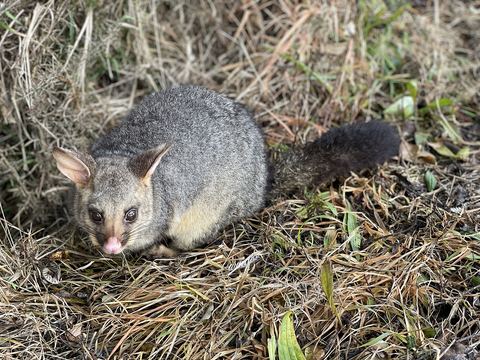
Scratching alone won't settle it, because a possum in the ceiling can make a racket too. A technician goes by droppings, gnawing and how the animal is getting in, not by sound.
Is it a ship rat or a Norway rat?
| Ship rat | Norway rat | |
|---|---|---|
| Body | About 15 cm | About 20 cm |
| Tail | 15 to 22 cm, longer than the body | About 18 cm, thick and shorter than the body |
| Weight | 100 to 230 g | 150 to 400 g |
| Colour | Black or brown | Brown or dark grey |
| Ears | Big, cover the eyes when pressed forward | Small, don't reach the eyes |
| Where | All over the country, and a good climber | Close to people, in towns and cities |
Why the ceiling, and why winter?
DOC calls the ship rat the most commonly found rat in New Zealand, and it climbs well. That's why the ceiling space is the classic place to hear one. Norway rats are the heavier animal, tied more closely to people and towns. All three of our rats were introduced, and the EPA's factsheet places kiore, the third, in the south of the South Island.
Tenancy Services says rats and mice are more likely to get into a house in winter, so a quiet ceiling in January doesn't tell you much about July. The EPA says one female rat has 15 to 20 babies a year, which is why a small problem rarely stays small.
Why it's worth dealing with
Health NZ says rats and mice carry disease, contaminate food and cause structural damage. Both gnaw, so tell the technician if you've found chewed cables or pipes.
Leptospirosis is the illness to know about. It comes from contact with infected animals' urine, and rodents are on Health NZ's list of animals that can carry it. The bacteria get in through cuts or the lining of the nose, mouth and eyes, so cover any cuts before you clean up.
What does the job usually involve?
It starts with a look around: the ceiling space, the subfloor (the space under a raised floor), the outside walls and anywhere food is kept. The technician is after droppings, gnawing, worn paths and the gaps the animals are using.
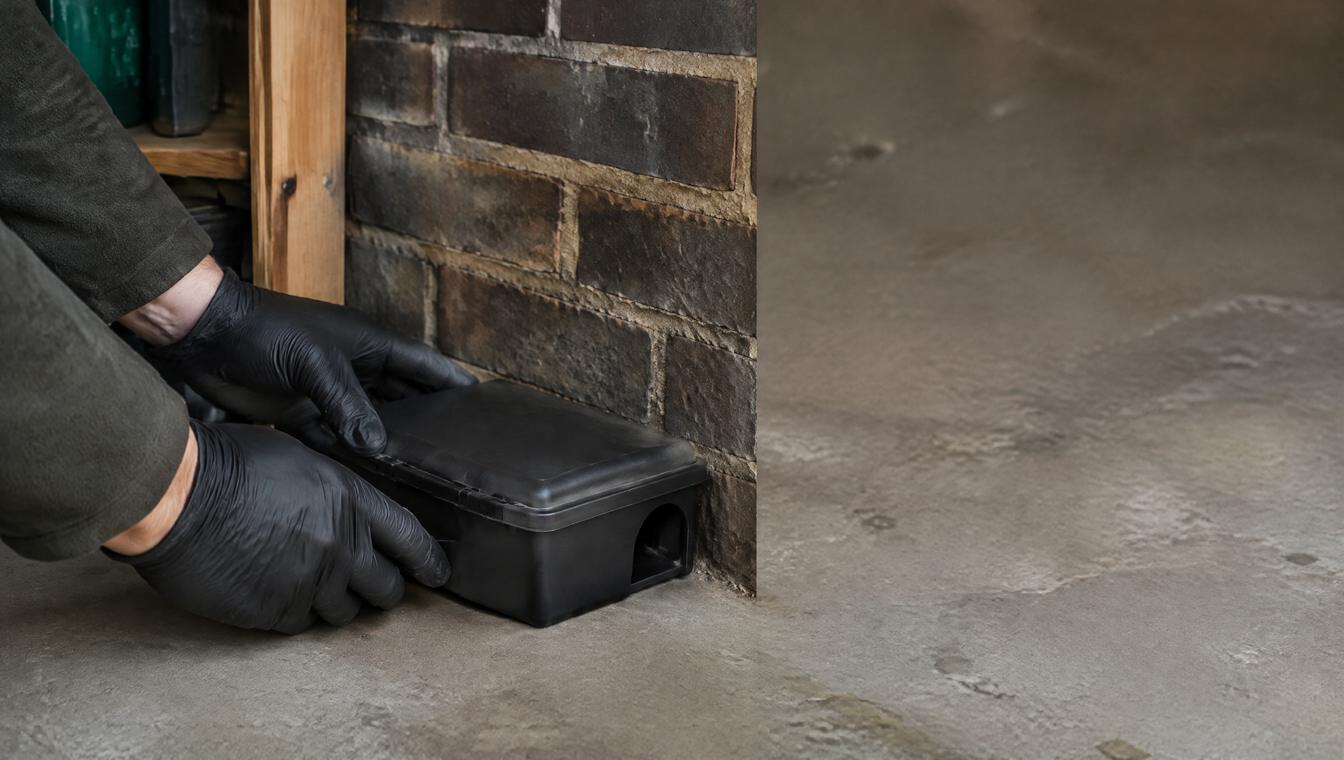
Treatment is usually traps, bait stations (locked boxes that hold rodent bait), or both. Health NZ says a qualified pest management technician can advise on toxic baits and monitor them. That monitoring matters, so a follow-up visit should be part of the plan.
Proofing is the other half, and it's the part people skip. Health NZ's advice is to store food carefully, get rid of rubbish and proof every hole and access point into the building. Ask whether the business does that work or only points out the gaps.
What makes a rodent job bigger or smaller
- How long they've been there, and how far through the house they've spread.
- How many ways in there are, and how high up.
- Access to the ceiling space and the subfloor.
- Cover close to the house: stacked timber, bricks, rubble, old newspaper and cardboard.
- Trees and shrubs touching the roof or walls.
- Whether kids or pets limit where bait can go.
What's yours, and what's theirs
You can
- Put all food away at night, pet food included.
- Rat-proof the compost.
- Clear old newspaper, cardboard and piles of timber, bricks or rubble.
- Trim back trees that sit against the building.
- Close any gaps you can reach easily from the ground.
- Wear gloves to clear droppings, and wash your hands well afterwards.
Leave to a pest business
- Getting into the ceiling space and subfloor.
- Placing and checking bait stations.
- Finding the ways in you can't see.
- Proofing up around the roof and eaves.
Who's responsible for rats on your property?
On your own place, it's generally you. Christchurch City Council says rats or mice on private residential properties are the owner's responsibility, and Hastings District Council says the same of landowners and residents. Hastings also suggests a baiting programme from late March through to May, ahead of winter.
Renting is different. A landlord needs the place clear of pests when the tenancy starts, and tenants keep it in a condition that doesn't encourage them. If nobody caused the rats, Tenancy Services says it's unclear who's responsible, and the two often split the cost.
Some streets also have a Predator Free 2050 trapping group, which the EPA encourages people to get involved with.
Worth asking before you say yes
- Are you using traps, bait stations or both, and where will they go?
- What's the full name of the bait, and can I see its safety data sheet?
- How do you keep bait away from kids, dogs and cats here?
- Is finding and closing the ways in part of this quote?
- How many visits does this cover, and what happens if the noise carries on?
- Who takes the stations away at the end?

Where we'd start with rodent control
We'd start outside on a dry afternoon: food away, compost sorted, rubbish gone, branches cut back from the roof. Then we'd tap Rats or mice and say what we're hearing, where and at what time. Plenty of people try a box of bait first, and the noise often comes back because the way in is still open. Finding that gap is the bit worth paying someone for.
Want someone to look at it?
Tell us what you've seen and your postcode, and a local pest business that handles exactly that calls you to talk it through.