If bait has been eaten
If a child may have swallowed rat bait, ring the National Poisons Centre on 0800 764 766 straight away, and don't make them throw up unless you're told to. If it's a pet, go to the vet now. Anyone unconscious, struggling to breathe or very unwell needs 111.
What's different in Auckland
On the regional pest plan
Auckland Council lists both rats and mice for sustained control across the whole region. Its habitat lists read like a map of the city: urban areas, stream banks, wetlands, the coast and crops.
Leafy suburbs, climbing rats
Tree canopy covers 18 per cent of Auckland's 16 urban local boards, from 8 per cent in Māngere-Ōtāhuhu to 30 per cent in Kaipātiki. DOC says the ship rat is a good climber, and the EPA says to trim trees that are up against the building. In the leafier suburbs, the branch over the roof can be the way in.
Neighbourhood trapping
Volunteer groups such as Pest Free Kaipātiki on the North Shore and Forest & Bird's Pest Free Hibiscus Coast run pest animal work in their areas. It's worth knowing what's happening on your street, though a rat already in your ceiling still needs finding and keeping out.
Winter is the busy time
Tenancy Services says winter is a more common time for rats and mice to get into the house, as they look for dry shelter and food.
Ship rat, Norway rat or mouse?
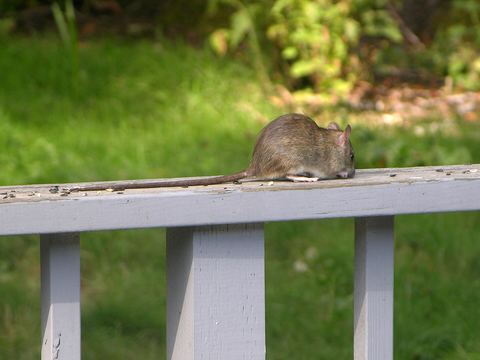
| Ship rat | Norway rat | House mouse | |
|---|---|---|---|
| Body | About 15 cm | About 20 cm | 60 to 100 mm |
| Tail | Longer than the body | Thick, and shorter than the body | About as long as the body |
| Ears | Cover the eyes when pressed forward | Don't reach the eyes | Big for its size |
| Usual spot | Up high: ceilings, trees and roofs | Low down near people: drains, sheds, under buildings | Inside walls, cupboards and under floors |
Signs to check before anyone comes
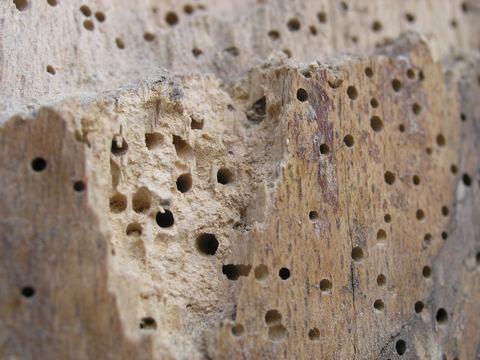
The EPA lists droppings, teeth marks and scratching noises as the signs to look for. Add greasy rub marks along a regular route, shredded paper or insulation, and chewed food packets.
Mention any gnawed cables when the pest business rings, because rats and mice chew wiring as well as wood. When you clean up droppings, wear gloves and cover any cuts first: Health NZ lists rodents among the animals that can carry leptospirosis.
What the job usually involves
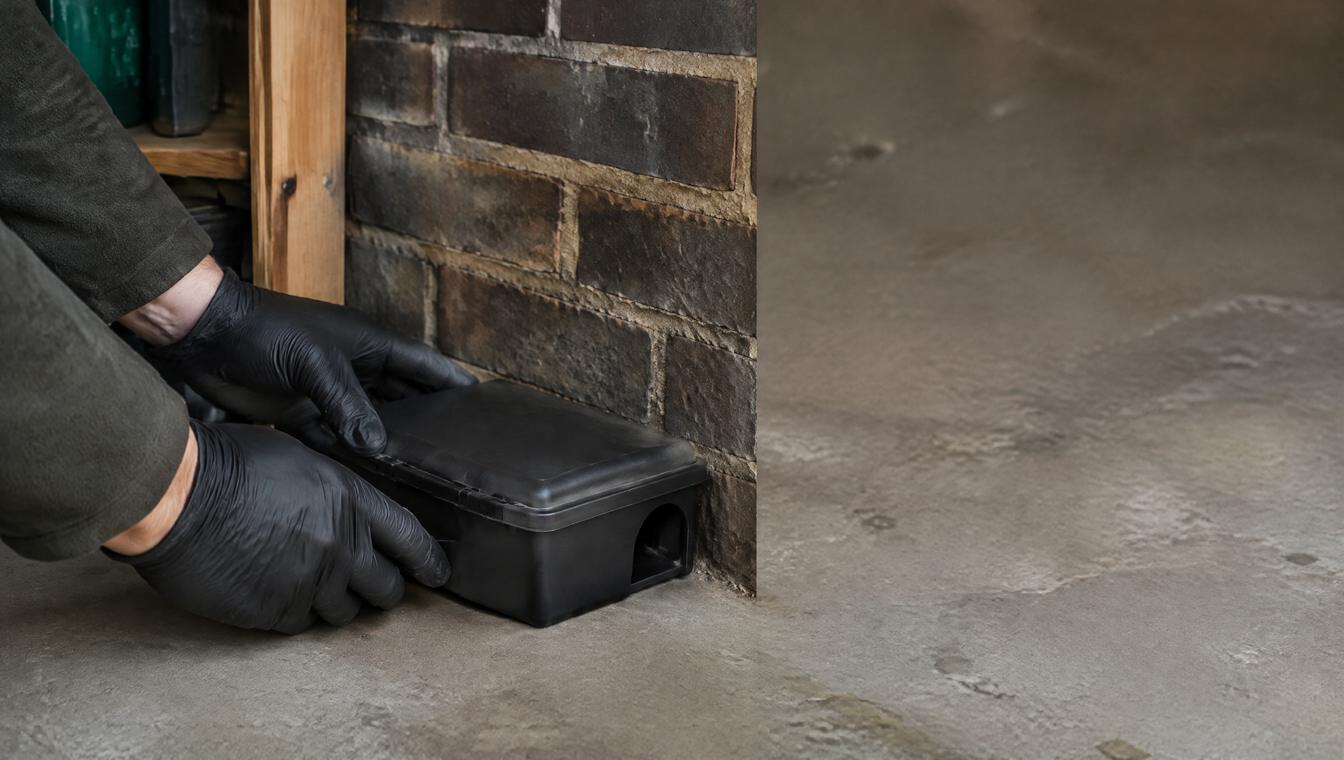
Expect an inspection of the ceiling space, the subfloor and the outside walls, looking for how they get in. Health NZ says a qualified pest management technician can advise on and monitor toxic baits where they're needed, usually in bait stations (locked boxes that hold rodent bait).
The part that lasts is proofing: closing the gaps around pipes, vents and eaves. Ask about a follow-up visit to check the bait and that the gaps have held. Access to the ceiling and subfloor, and how many ways in there are, change the size of the job most.
What you can do, and what to leave
You can
- Put all food away at night, pet food included, and lid the compost.
- Clear out cardboard, old newspaper and stacks of timber or bricks.
- Trim branches that touch the roof or walls.
- Wear gloves and cover cuts when you clean up droppings.
Leave to a pest business
- Setting and checking bait, especially with children or pets at home.
- Finding the way in through the ceiling space and subfloor.
- Proofing gaps around the roofline.
Questions to ask
- Where will you put bait, and will it be in locked stations?
- What's the product's full name?
- How will you find and close the way in?
- Will you come back to check, and when?

If it were our house in Auckland
We'd write down when the noise happens and where it moves, look for droppings around the ceiling hatch, and keep any shop-bought bait well out of reach of kids and the dog. Then we'd send Rats or mice with what we'd heard. The pattern of the noise tells a technician a lot before they even climb up.
Want someone to look at it?
Tell us what you've seen and your postcode, and a local pest business that handles exactly that calls you to talk it through.