Why cockroaches do well in Auckland
Warmth and damp, all year
Health NZ says cockroaches thrive in warm, damp conditions and like dark places inside walls, behind appliances and in cupboards. NIWA describes Auckland's summers as warm and humid, with rain typically plentiful year round, so an Auckland kitchen rarely gives them a hard season.
Two species cause most of the trouble
Health NZ names the German cockroach and the American cockroach as New Zealand's biggest cockroach pests. They live quite differently, so the first useful question is which one is in your house.
Flats, units and shared walls
Auckland has plenty of apartments and units, and German cockroaches living in wall gaps and behind appliances can spread beyond one kitchen. If you're in a body corporate, tell the committee or manager early: a treatment that reaches the neighbouring units gets further than one that stops at your door.
Is it a German cockroach or an American cockroach?
| German cockroach | American cockroach | |
|---|---|---|
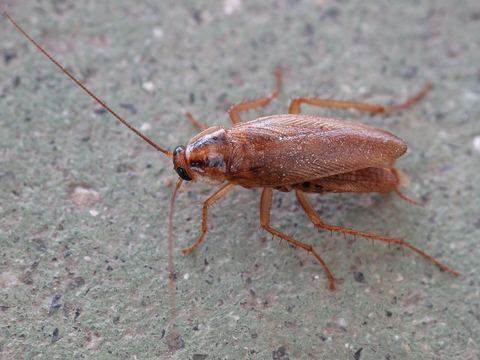
| Size | 12 to 15 mm when fully grown | 35 to 40 mm, the largest common pest cockroach |
| Look | Amber, with two dark stripes running lengthways | Reddish brown, with a pale yellow border around the top of the thorax |
| Where you'll find it | Kitchens: under the sink, in cupboards, drawers and appliances | Roof, wall and subfloor spaces, and around drains and rubbish |
| What it tells you | A colony living indoors, close to food and warmth | Often one that has come in from the roof, walls or drains |
The signs worth a photo
German cockroaches leave droppings, dark smears, cast skins and empty egg cases where they gather. Take a torch to the kitchen after dark and check under the sink, the back of the cutlery drawer and the space around the fridge motor.
Seeing them out in daylight usually points to a large population. Each female carries an egg case holding 30 to 48 eggs, which is why one sighting rarely means one cockroach.
They often arrive as stowaways in cardboard boxes and crates of food and drink, so a pile of flattened boxes in the pantry is worth moving out.
What the job usually involves
A technician inspects first, working out where they hide by day and where they travel at night, because Health NZ says insecticides work best in exactly those places. Health NZ also says baits should be applied by a trained, qualified operator, and describes sticky board traps for keeping track of numbers.
Ask whether a follow-up visit is part of the job, since eggs already inside a case can hatch after the first treatment. What makes a job bigger: how many rooms are affected, whether the neighbours share the problem, and how much clutter there is to hide in.
What you can do, and what to leave
You can
- Wipe benches and sweep at night so nothing is left out.
- Keep food, including pet food, in sealed containers.
- Get rubbish out promptly and keep bins lidded.
- Fix dripping taps and dry out the cupboard under the sink.
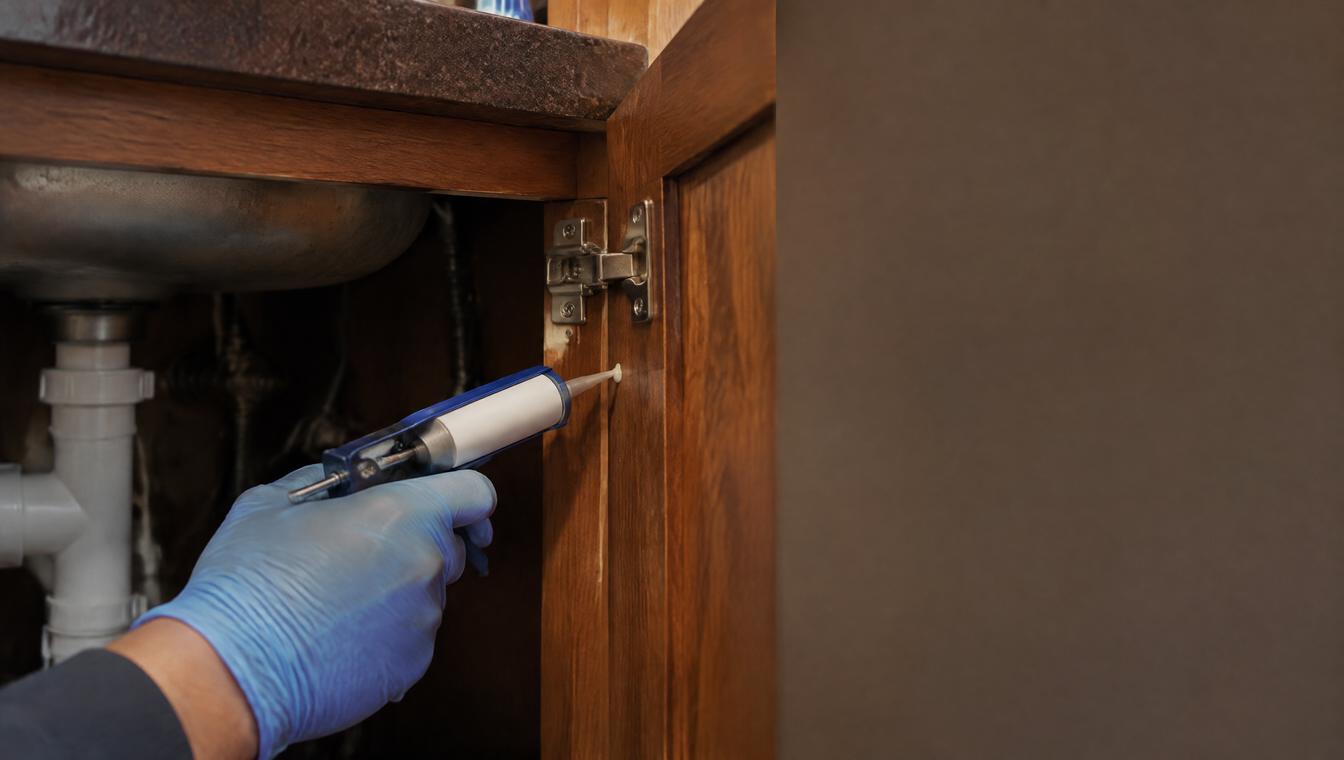
- Seal gaps around pipes and along skirting boards.
Leave to a pest business
- Placing baits and treating the places they hide.
- Units and flats where the problem crosses walls.
- Kitchens in a food business.
Worth asking the pest business
- Which product will you use, and what's its full name?
- Where will it go, and when can we use the kitchen again?
- Will you set sticky traps so we can see numbers drop?
- Is a follow-up visit included, and when?
- Do you need to know about our kids, pets or fish tank first?

Where we'd start with cockroach control in Auckland
We'd go into the kitchen after dark with a torch, get a clear photo of one, and check under the sink before tidying anything away. Then tell us Cockroaches and what you saw. A photo settles the which-kind question straight away, and that shapes everything the pest business does next.
Want someone to look at it?
Tell us what you've seen and your postcode, and a local pest business that handles exactly that calls you to talk it through.