
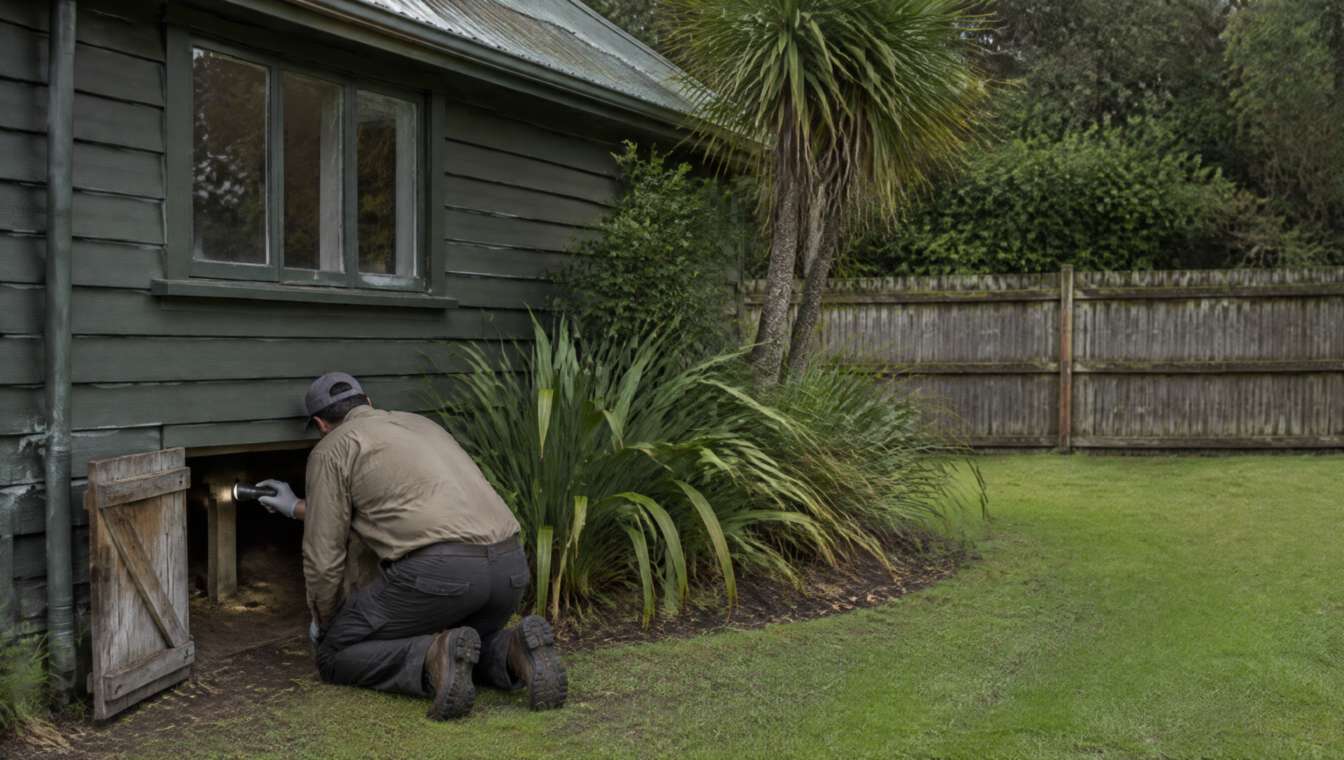
Palmerston North, Manawatū-Whanganui
Pest control in Palmerston North
Frosty winters, small sections, and big programmes aimed at farmland.
In Palmerston North, rats and mice moving in from the frost are the winter job and wasp nests the summer one, and on a town section both are for the owner and a pest business to sort.
- Matched to what you've seen
- Only one local pest business gets your number.
Matched to what you've seen
Before a pest business can take jobs from Which Pest, we record the work it handles, so a borer job never lands with a business that only does wasps.
Only one local pest business gets your number.
We share your contact details with one local pest business so it can get in touch about this job.
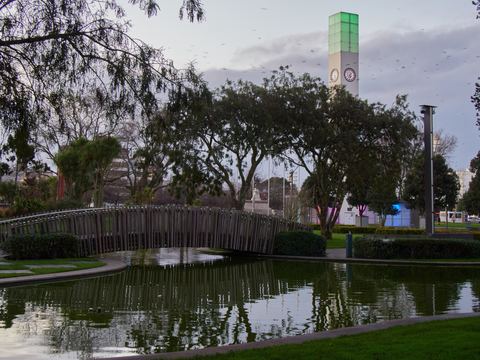
Pest control in Palmerston North: what to know before anyone calls
On this page
What's different in Palmerston North
Frosty winters inland
NIWA says summers in Manawatū-Whanganui are warm, and frosts are frequent in sheltered inland areas in winter. That's the season rats and mice go looking for a warm ceiling.
Regional programmes built for farms
Horizons says protecting agricultural production drives its pest animal programmes. Its sustained control programme covers possums and feral rabbits, not the rats in your roof.
Big numbers, bigger blocks
Horizons services 3,268 possum bait stations across 39,457 hectares within Palmerston North. It also says residents regularly meet pests on smaller properties, while its major programmes focus on larger blocks of land.
Bush at the city's edge
The city council's Kahuterawa plan describes targeted possum, rat and weed control with Horizons and neighbouring landowners, around Turitea Reserve and the Kahuterawa Valley.
A pest plan under review
Horizons' Regional Pest Management Plan is being reviewed, with formal consultation expected in 2027.
Which pests turn up on a town section?
Rats and mice lead in winter. Tenancy Services says winter is when they more often get inside, and frosty nights only add to the pull. Scratching in the ceiling after dark is the usual first sign.
Wasps take over late in summer, when DOC says they're after protein, which is how they find the barbecue. The University of Auckland puts January to February as the time to deal with a colony, so a nest spotted early is the easier job.
Ants are less certain. DOC's list of places with Argentine ants doesn't name Manawatū, which doesn't prove they're absent. A pest business can tell you what's on the bench.
Is the hive next door allowed?
Often, yes. Palmerston North's Animals and Bees Bylaw 2024 lets people keep bees in the urban area on a property of 500 m2 or more. Hives must be at least 1 metre from the boundary unless there's a solid fence 1.6 metres or taller, with the flight path aimed away from neighbours and footpaths.
A swarm hanging off a branch is a beekeeper's job, and Apiculture New Zealand lists collectors by region. Bees living in your wall or roof are a job for a pest business. More in our guide to bee swarms.
Before a Palmerston North pest business comes
- Clear a path to the ceiling hatch and the subfloor access.
- Note whether the noises started when the frosts did.
- Take a photo of any wasp nest from a long way back.
- If you rent, let the landlord or property manager know.

What we'd do about pests in Palmerston North
Treat the first frost as a reminder. If you've had mice before, get the roof space and subfloor checked before winter rather than after the first scratching at 2am. Tap Rats or mice and say what you've heard and where.
Want someone to look at it?
Tell us what you've seen and your postcode, and a local pest business that handles exactly that calls you to talk it through.
Questions
Pest control in Palmerston North: common questions
Does Horizons deal with rats in town?
Its pest animal page talks about possums and feral rabbits, and its big programmes focus on larger land blocks. For rats in a town house, it's the owner's job with a pest business. Horizons also has an advice line.
When should I deal with a wasp nest in Palmerston North?
As soon as you find it, if it's near a door or path. Keep everyone clear and leave the nest to a pest business.
Can my neighbour keep bees in Palmerston North?
Usually, within the city's bylaw: a big enough section, hives set back from the boundary or screened by a tall fence, and the flight path pointed away from you. If a hive is causing a real nuisance, raise it with the city council.
Seen a pest in Palmerston North? Tell us what it is.
What you have seen, one tap about it and your postcode. Then a local pest business that handles exactly that calls you.
Before anyone starts
What to ask a pest business
Related help
More on pest control in Palmerston North
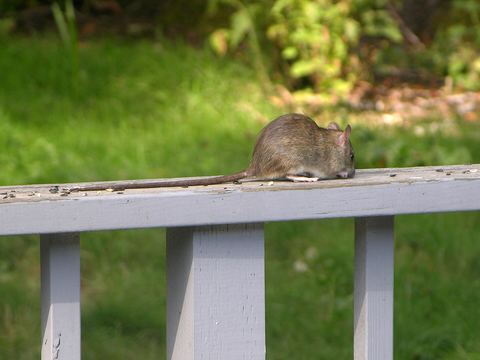 Rodent controlShip rat, Norway rat or mouse, why winter brings them indoors, and what a bait programme involves.Read it
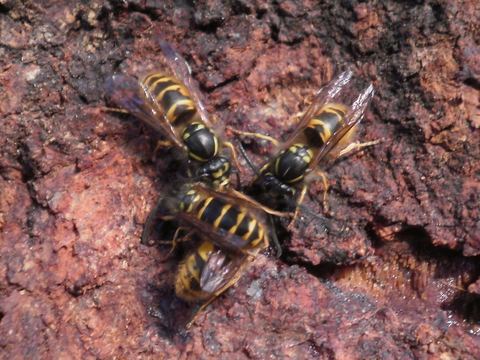 Wasp nest removalWhat to do first, which wasp you've got, and who deals with a nest on your land.Read it
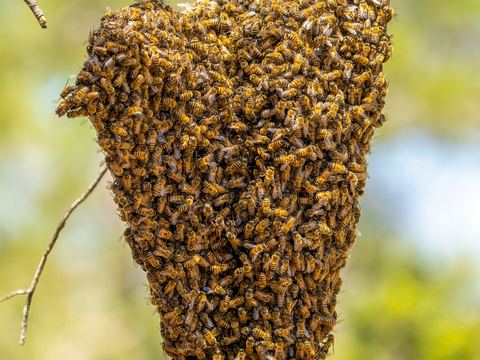 Bee removalSwarm or colony in the wall? How to tell, who to call, and why the comb has to come out.Read itBee swarmsWhat to do about a swarm, how to find a collector, and when bees need a pest business.Read itRats in the ceiling and roof spaceWhat's making the noise in the ceiling, which droppings to look for, and what to do next.Read it
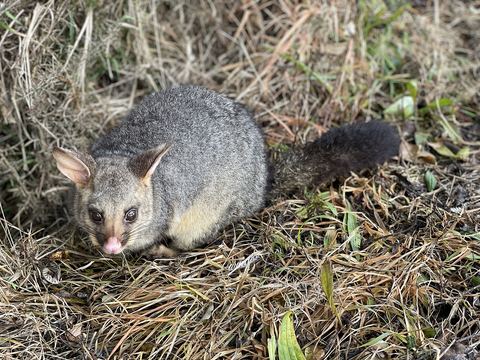 Possum controlHow to tell it's a possum, how they get into a roof, and what to ask a pest business.Read it
Where this information comes from
- NIWA (Chappell, P.R. 2015, Science and Technology Series 66) The climate and weather of Manawatu-Wanganui, checked 3 November 2026
- Horizons Regional Council Regional Council functions: Serving the Palmerston North community and environment, checked 3 November 2026
- Horizons Regional Council Pest animals, checked 3 November 2026
- Palmerston North City Council Palmerston North Animals and Bees Bylaw 2024, checked 3 November 2026
- Palmerston North City Council Kahuterawa Outdoor Recreation Plan 2025, checked 3 November 2026
- Tenancy Services (Ministry of Business, Innovation and Employment) Pests and infestations, checked 3 November 2026
- Department of Conservation Wasps, checked 3 November 2026
- University of Auckland (news) Wasp numbers explode after long, hot summer, checked 3 November 2026
- Apiculture New Zealand (industry body) Swarm collection, checked 3 November 2026
- Department of Conservation Argentine ants, checked 3 November 2026
Rules and advice change, so check the source before you act on anything here. How we write and check these pages.