If someone reacts badly to bites
Health NZ says bed bug bites aren't usually dangerous, but in very rare cases people have a severe allergic reaction called anaphylaxis. That's a medical emergency, so call 111 immediately. For ordinary bites, try not to scratch. Health NZ says an antihistamine can help a mild allergic reaction, and you can call Healthline any time.
How do you know it's a bed bug?
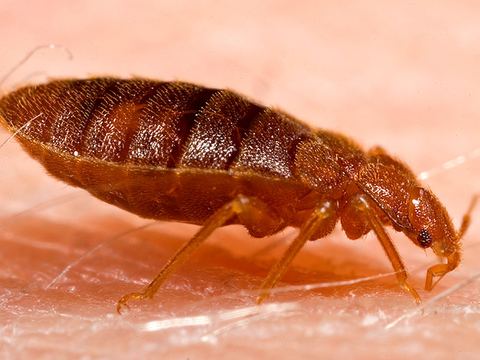
Health NZ describes an adult as reddish brown, flat and oval, around 4 to 7 mm long. The eggs are white and around 1 mm. Bed bugs can't fly, but they crawl short distances, and that's all they need to get from a bed frame to a pillow.
Most people meet the bites before the bugs. They often come up as a series of itchy marks, a lot like mosquito or sandfly bites, and they may not show for a few days. Some people don't react at all, so two people can share a bed and only one of them itches.
What to look for in and around the bed
- Live bugs, usually tucked into seams, joins and cracks.
- Cast-off skins, left behind as the bugs grow.
- White eggs around 1 mm long.
- Small dark brown or black marks on the mattress, sheets or bed frame.
- The same signs in another bedroom. Health NZ says to check those too.
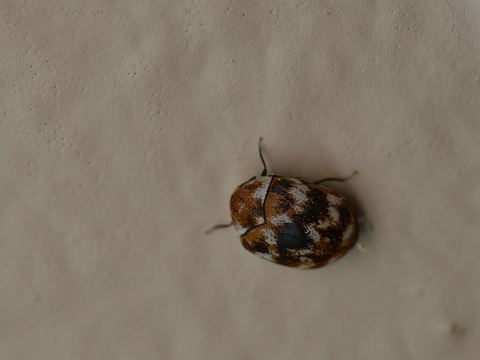
Is it a bed bug, a flea or a carpet beetle?
| Bed bug | Flea | Carpet beetle | |
|---|---|---|---|
| Shape | Flat and oval | Narrow, side to side | Small and round |
| How it moves | Crawls | Jumps | Crawls and flies |
| Where you find it | Mattress, bed frame, furniture, walls | Carpet, pet bedding, on the pet | Window sills, wool carpet, stored fabric |
| Does it bite people? | Yes | Yes | No, though its hairs can irritate |
Where did they come from?
Usually from a trip or a purchase. Health NZ points to suitcases after travel, and to second hand furniture, bedding and clothing carried into the house. They're hitchhikers, so finding them says nothing about how clean your house is.
How to get rid of bed bugs
Find where they're living
Go through the bed, the frame and the furniture next to it. Health NZ says to work out the actual hiding place first, because they often sit in furniture and walls.
Wash and dry on high heat
Put bedding and clothing through a hot wash, then a hot dry. Health NZ says high temperatures work on bed bugs in those items, so use the hottest setting the fabric allows.
Keep the furniture where it is
Moving a bed or sofa to another room can carry the bugs with it. Leave the big pieces alone until you've got a plan.
Go easy with sprays
Health NZ says insecticide sprays are used on bed frames and mattresses, but not to soak a mattress, and not on infant bedding or cribs. If you use a product, follow the label.
Call in a pest business if they've spread past the bed
Health NZ says a qualified pest management technician can advise on and monitor a control programme. Bed bugs go through several life stages, so ask about a follow-up visit.
Renting?
Tell your landlord or property manager early. Tenancy Services says landlords should take responsibility if a house needs fumigating, though a tenant whose lack of cleanliness caused an infestation could be responsible. If nobody caused it, it's unclear who's responsible, and landlords and tenants often split the cost.
What's yours, and what's theirs
You can
- Strip the bed and hot wash everything that can take it.
- Check mattress seams, the bed frame and bedside drawers with a torch.
- Photograph anything you find, with a ruler or coin beside it.
- Check other bedrooms before you decide how far it has gone.
Leave to a pest business
- Finding bugs hiding in walls, skirting and furniture joints.
- Treating rooms and following up.
- Advising what can be kept and what should go.
Worth asking the technician
- Which rooms and furniture will you treat?
- Which product will you use, what's its full name, and can I see its safety data sheet?
- How many visits should I plan for, and how far apart?
- What should I wash or bag before you arrive?
- After the last visit, what bed bug signs should we still expect to see?
- Is any warranty in writing?

Where we'd start with bed bugs
We'd strip the bed, run everything hot, and photograph whatever's in the mattress seams. If bugs turn up anywhere past the bed, we'd stop there and get a pest business in. Once they're in the walls or the sofa, it isn't a weekend job, and finding the real hiding place is what the money is for.
Want someone to look at it?
Tell us what you've seen and your postcode, and a local pest business that handles exactly that calls you to talk it through.