
What's different in Te Puke
Western Bay's patch
Te Puke's councils are Western Bay of Plenty District Council and Bay of Plenty Regional Council. In January 2019 the Bay of Plenty Times reported that the district council's duty under the Reserves Act covers pest animals on public land only, and private land is the landowner's responsibility.
Careful with bait in public places
That came up over rats at a Maketū reserve. The council's reserves manager said bait or traps on public land where there are children and animals would not be a wise move.
A trap library in town
Predator Free Bay of Plenty names Te Puke among its five Pest Trap Libraries, with Tauranga, Oropi, Whakamārama and Waihi Beach. It's a community programme, not a pest business, and the 2019 report said many people around Maketū and Te Puke were already trapping rats in their backyards.
Bush behind town
Te Kapu o Waitaha leads pest animal control across 400 hectares at Ōtawa Scenic Reserve, The Country reported in May 2023.
Wasps are the occupier's call
German and common wasps sit in the regional council's advisory programme, so managing them on your land is up to you. Asian and Australian paper wasps are limited to northern New Zealand and are less aggressive, the regional council says.
Sheds, shelterbelts and rats
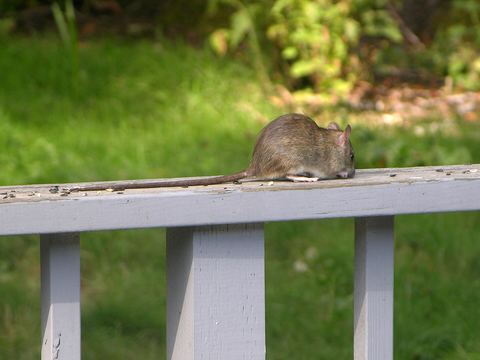
Te Puke is kiwifruit country, so plenty of homes sit beside orchards, shelterbelts and sheds. That's a lot of edges for a rat to work along. The EPA says rats nest in old newspaper, cardboard and piles of timber, bricks and rubble, and that they're good climbers, so trim trees that touch the house.
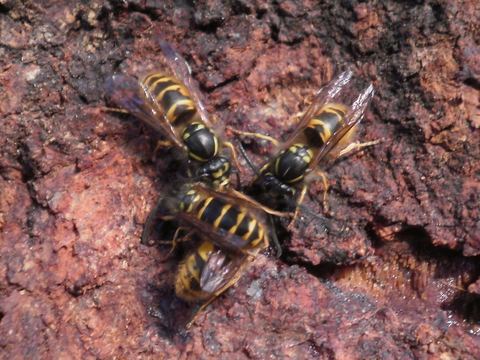
German and common wasps nest underground and in the cavities of trees and buildings, the regional council says. A stack of posts, a bank by the shed or a gap in the cladding can all hold one, so watch from well back and leave the nest to a pest business.
Bees and swarms
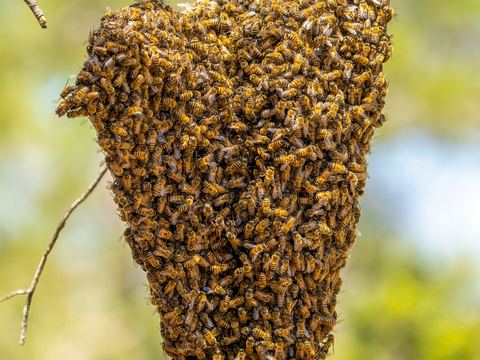
A swarm hanging off a branch or a fence is a beekeeper's job. Apiculture New Zealand says to leave it alone and call a beekeeper, and that bees in a swarm aren't inclined to sting unless provoked. Swarming season can start as early as August and runs to January. Bees settled inside a wall or roof are different, and that's where a pest business comes in: see bees.
What should you ask before you say yes?
- Will you look at the sheds and outbuildings as well as the house?
- How are they getting in, and what would you seal?
- Where would any bait stations go, and how are they kept away from dogs and children?
- Will you come back to check, and is that in the quote?
- Which product will you use, and what's its full name?

Our take on pests in Te Puke
We'd treat the sheds and the house as one job. A rat in the ceiling usually has a route in from somewhere outside, and on a rural section that's often the woodpile or the shed. Tap what you've seen, mention the outbuildings, and let the pest business walk the whole property.
Want someone to look at it?
Tell us what you've seen and your postcode, and a local pest business that handles exactly that calls you to talk it through.