
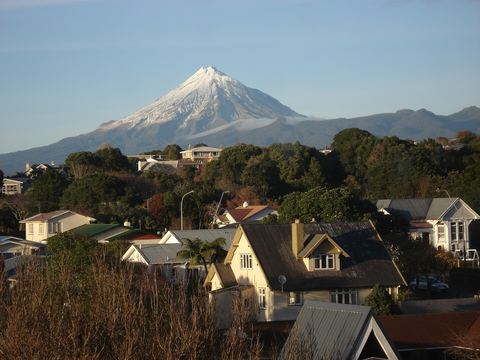
New Plymouth, Taranaki
Pest control in New Plymouth
A city that counts its rats.
New Plymouth's rat counts have fallen as backyard traps spread, but a rat in the ceiling, a wasp nest on private land or mynas in the eaves are still jobs for a pest business.
- Matched to what you've seen
- Only one local pest business gets your number.
Matched to what you've seen
Before a pest business can take jobs from Which Pest, we record the work it handles, so a borer job never lands with a business that only does wasps.
Only one local pest business gets your number.
We share your contact details with one local pest business so it can get in touch about this job.
Pest control in New Plymouth: what to know before anyone calls
On this page
What's different in New Plymouth
Rats, counted every year
Towards Predator-Free Taranaki tracks rats at the same 10 sites across the city, with inked cards left in baited tunnels for one night. RNZ reported that 11 percent of cards showed rat tracks in 2025, down from 16 percent the year before and 36 percent in 2018.
Traps in one in five backyards
More than one in five households had a backyard trap, RNZ reported, and almost 4000 rats were logged as caught in the city in 2024. The district council traps public spaces, where more than 100 volunteers check about 1,500 traps across 2,000 ha of parks and reserves.
Wasp baiting stops at your boundary
The council baits wasps at about 50 sites on public land, from Ōkato to Urenui and inland to Inglewood, in February and March, the German wasp breeding season. It doesn't manage nests on private property, but wants to hear about nests in parks or reserves.
Mynas in the eaves
Common mynas live throughout the North Island north of 40 degrees south, and nest in cavities, including inside house eaves.
Sunny and windy
NIWA describes Taranaki as generally sunny and windy, with a good supply of rain spread evenly through the year.
Fewer rats in the count, but one in your roof?
A falling city count is good news, but it comes from one night at 10 sites. It can't tell you what's in your ceiling. Scratching at night, droppings and teeth marks mean it's time for someone to find how they're getting in.
A backyard trap and a pest business do different jobs. The trap catches what passes through the garden; the business closes the gaps that let rats into the house.
Finding the wasp nest, from a distance
The council says wasps forage up to 200 m from their nest, so the line they fly can lead you to it. Watch from well back and don't follow them close. DOC says German wasp nests are grey and common wasp nests brown.
Once you know roughly where it is, keep people clear and pass it to a pest business. A nest in a public park goes to the council instead.
Ant trails in New Plymouth
DOC's list of places with Argentine ants doesn't include Taranaki, which isn't the same as saying they're absent. If a trail is wide and the ants are honey-brown, ask for them to be identified. DOC says potted plants carry the highest risk of spreading them, so look over new plants before they go in the garden.
What you can do, and what's theirs
You can
- Keep compost rat-proofed and pet food put away at night.
- Watch where wasps fly, from a long way back.
- Note where mynas go in and out of the eaves.
- Check new potted plants for ant trails.
Leave to a pest business
- Rats or mice inside the roof or walls.
- Any wasp nest on your property.
- Bird proofing (screens or covers over gaps in the eaves).

Our take on pests in New Plymouth
Keep the backyard trap, and don't expect it to fix a problem that's already indoors. Scratching in the roof, a nest by the path and birds in the eaves are three different jobs, so tap the one you've got and tell the business what you've noticed.
Want someone to look at it?
Tell us what you've seen and your postcode, and a local pest business that handles exactly that calls you to talk it through.
Questions
Pest control in New Plymouth: common questions
Will the council remove a wasp nest in my New Plymouth garden?
No. The district council says it doesn't manage nests on private property. It does want to hear about nests in public parks and reserves.
Are there Argentine ants in New Plymouth?
We couldn't confirm it. DOC's list of places where they're known doesn't name Taranaki, so if you see wide trails of small honey-brown ants, have them identified.
When do wasps peak in New Plymouth?
The council treats February and March as the German wasp breeding season, and that's when it runs its baiting. A nest you find then has usually been growing for months.
Seen a pest in New Plymouth? Tell us what it is.
What you have seen, one tap about it and your postcode. Then a local pest business that handles exactly that calls you.
Before anyone starts
What to ask a pest business
Related help
More on pest control in New Plymouth
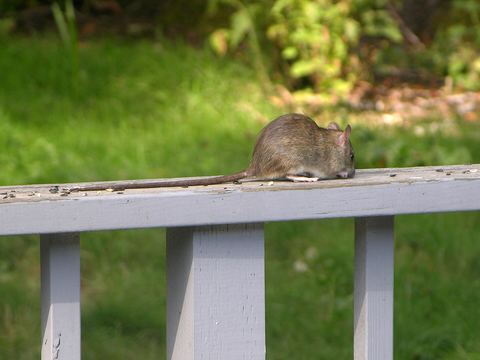 Rodent controlShip rat, Norway rat or mouse, why winter brings them indoors, and what a bait programme involves.Read it
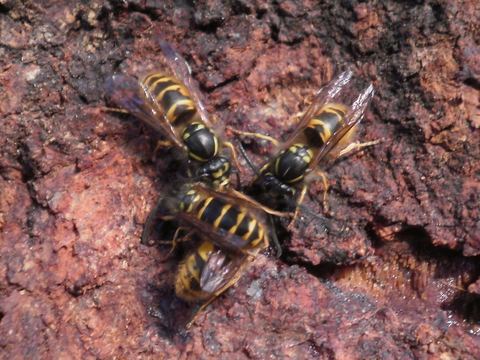 Wasp nest removalWhat to do first, which wasp you've got, and who deals with a nest on your land.Read it
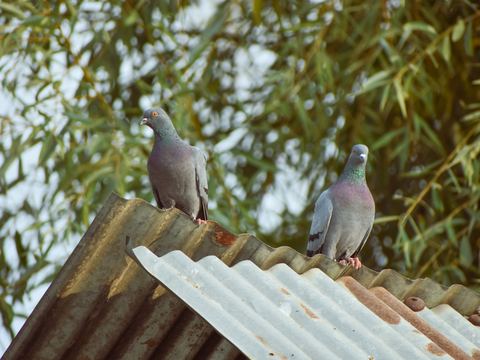 Bird proofingPigeons, starlings, sparrows and mynas: what they do to a house, and how proofing works.Read it
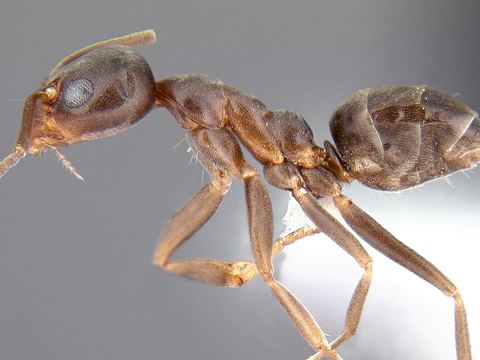 Ant controlHow to spot Argentine ants, why a spray can backfire, and when ants are worth paying someone for.Read it
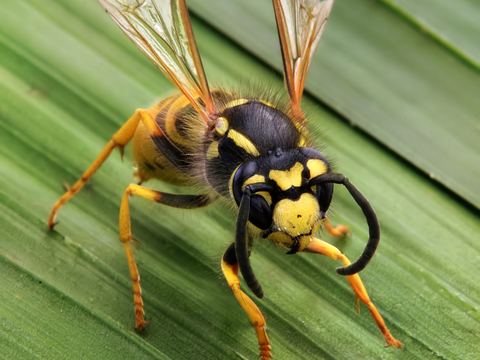 German waspsHow to spot a German wasp, where its grey nest hides, and how large a nest can get.Read it
Where this information comes from
- RNZ (news report) Lowest rat numbers yet since monitoring began in New Plymouth, checked 3 November 2026
- New Plymouth District Council Towards Predator-Free Taranaki (Brooklands Zoo volunteering), checked 3 November 2026
- New Plymouth District Council NPDC bans the buzz through wasp-baiting programme, checked 3 November 2026
- New Zealand Birds Online (Wilson, P.R. 2013, updated 2022) Common myna, checked 3 November 2026
- NIWA (Chappell, P.R. 2014, Science and Technology Series 64) The climate and weather of Taranaki, checked 3 November 2026
- Department of Conservation Argentine ants, checked 3 November 2026
- Department of Conservation Argentine ants, checked 3 November 2026
- Environmental Protection Authority (EPA NZ), Wai Tuwhera o te Taiao Rats factsheet, checked 3 November 2026
- Department of Conservation Wasps, checked 3 November 2026
Rules and advice change, so check the source before you act on anything here. How we write and check these pages.