What should worry you under there?
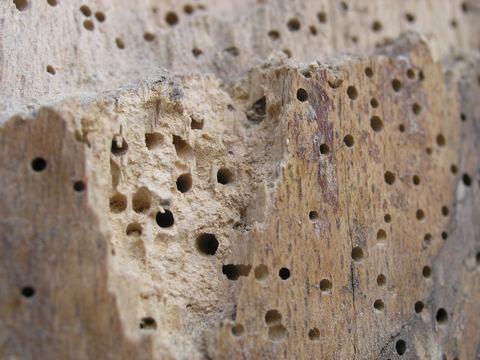
- Round or oval holes in floorboards or piles (the short posts that hold up a timber floor), with fine dust below.
- Floorboards that are weak or creaking, with crumbling corners and edges.
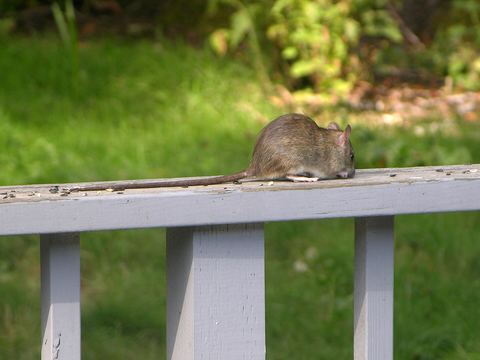
- Rat burrows along walls or under the building, or droppings 10 to 18 mm long.
- Standing water, wet soil or a musty, damp smell.
- Mud packed into gaps in timber, or mud tunnels across the ground. Leave it alone and see below.
Mud in the timber is a call to MPI
Don't disturb it, and don't spray it. MPI says if you suspect Australian subterranean termites or their damage, call MPI immediately. It's a biosecurity report, never a pest job. Our termite guide explains why.
Borer: the main reason to look
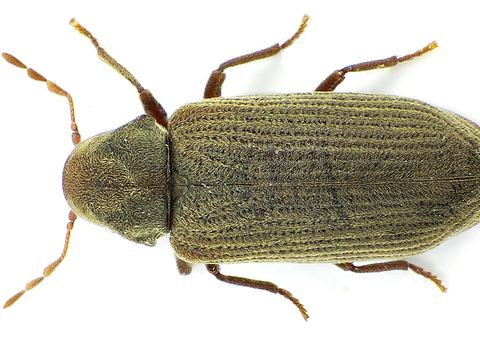
Settled.govt.nz says borer are small brown beetles whose larvae spend 2 to 4 years eating soft timber in floorboards, piles, weatherboards and furniture before they emerge. So what you see is the exit, years after the damage began. Over time, Settled says, this can affect a home's structural integrity.
Consumer NZ said in 2015 that active borer shows as flight holes of 2 to 4 mm with fine sawdust, and that borer are often found in floor timbers, which are prone to damp. Beetles may turn up near the holes in summer. Start with borer treatment or the borer page.
What else shelters down there?
Rats. Burrows are found under buildings, and the EPA says rats can nest in piles of timber, bricks and rubble, so old building leftovers stored under the house are an invitation. See rat and mouse control.
Fleas. If a cat or dog sleeps under the house, its flea life goes on there too. Health NZ says flea larvae and pupae live in places such as the nests of their hosts. Flea treatment starts with the pet.
Cockroaches. Health NZ says they thrive in warm and damp conditions, and the American cockroach, one of the two biggest pests here, tends to stay in the roof, walls and subfloor.
Why is damp the common thread?
Wet ground under a floor feeds almost everything on this page. Consumer NZ said in 2015 to keep the area under the floor well ventilated to prevent dampness, because borer like moist timber. Blocked vents and a leaking pipe can undo that quickly.
A dry, aired subfloor
- Vents clear of soil, plants and stored junk.
- Downpipes and leaking taps running away from the house.
- Stored timber, cardboard and rubble taken out.
- No gaps where a pet or rat can move in.
- Any untreated timber resting on bare ground noted for the inspection.
Yours to do, theirs to do
You can
- Look in from the hatch with a torch and take photos.
- Fix leaks and clear the vents.
- Note any floorboard that feels soft or springy underfoot.
- Keep pets out of the space.
Leave to a pest business
- Inspecting tight subfloors and piles.
- Treating borer in the timber.
- Rat burrows and proofing.
- A builder for any pile or floorboard that has gone soft.

Where we'd start with pests under the house
We'd do a torch check once a year, around the time we clear the gutters. If we found holes and dust, we'd tap Borer and send the photos, and we wouldn't panic: borer takes years, so you've got time to get it looked at properly. Buying a house? Settled says to make sure the building inspection includes borer, because some inspectors exclude liability for it.
Want someone to look at it?
Tell us what you've seen and your postcode, and a local pest business that handles exactly that calls you to talk it through.