Found a nest or a swarm?
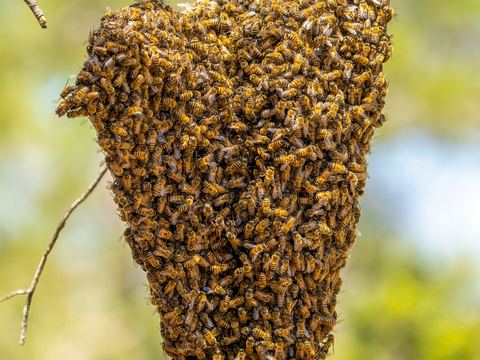
Keep children and pets back and leave it alone. Mowers, line trimmers and hedge cutters can stir up a nest in the ground, so stop work near it. If someone has swelling around the lips or eyes, wheezing or a tight throat after a sting, call 111. Don't spray a bee swarm: call a beekeeper instead.
Leave it, or call someone?
| Usually fine | Worth a call | |
|---|---|---|
| Wasps | A few at the fallen fruit | A steady flight line, or a nest near paths, doors or play areas |
| Bees | Bees on flowers | A swarm goes to a beekeeper; bees in a structure go to a pest business |
| Rats | One seen once, far from the house | Tunnels in the compost, or droppings near the back door |
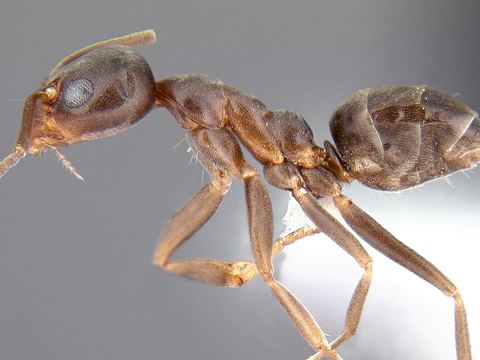
| Ants | Black ants in the lawn | Honey-brown trails climbing into the house |
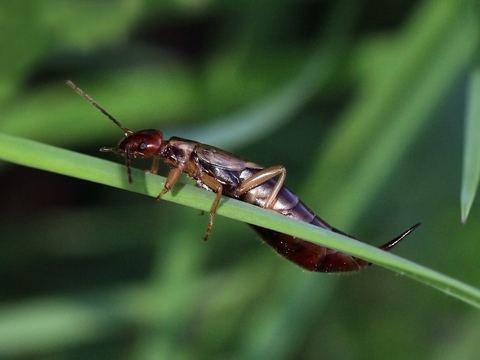
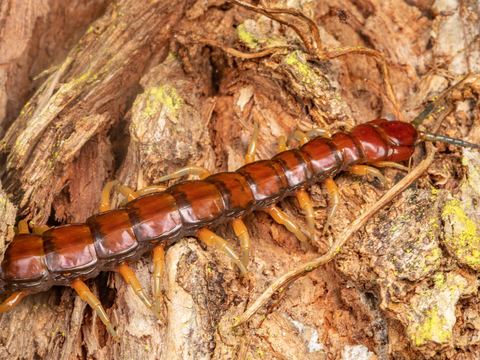
| Earwigs and centipedes | In leaf litter and under rocks | Only if numbers are coming indoors, or the veggies are suffering |
Wasps: the one that matters most
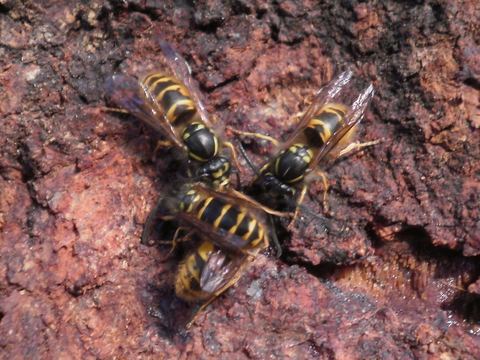
German and common wasps usually nest in the ground, or in clay-covered nests in trees. Nests are about the size of a soccer ball, and DOC says German nests are grey and common wasp nests brown. In the warmer months wasps hunt protein, so they'll find your barbecue. They can forage a long way, so the nest may even be next door.
Paper wasps build an open comb under branches and eaves. Bay of Plenty Regional Council calls them less aggressive than German and common wasps, and still recommends professional pest controllers for the nests. Generally councils only deal with nests on council land, so a nest on your place is yours to get seen to. The Waikato region has its own rule. Start with wasp nest removal.
Rats and the compost heap
The EPA says to rat-proof compost at night and remove old timber, brick and rubble piles, because rats nest in them. Ship rats climb, so fruit trees and fences can be their road to the roof. Rat and mouse control is the next read.
Argentine ants and pot plants
DOC says potted plants carry the highest risk of spreading Argentine ants, and garden soil and bark can carry them too. They're known in many parts of Auckland, Northland, Waikato, Bay of Plenty and Hawke's Bay, plus Wellington, Nelson and Christchurch. Before you give away a pot plant, check it.
Standing water and mosquitoes
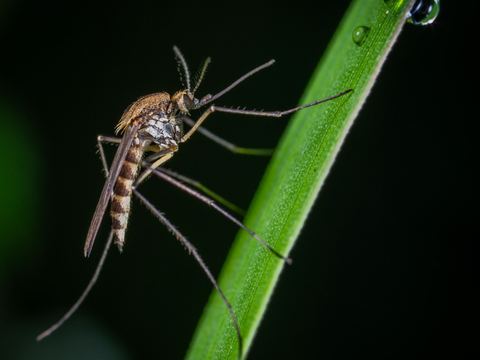
Health NZ says to empty and remove water containers you don't need, and screen or cover water tanks. A bucket, an old tyre or a blocked gutter is enough. Mosquito control covers the rest.
Old railway sleepers
If your retaining wall or raised beds use old imported hardwood sleepers, it's worth a look now and then. MPI says Australian subterranean termites are most likely to be linked to imported wood such as sleepers used in landscaping. Mud packed into the timber isn't a pest job: leave it alone and call MPI. See our termite guide.
A walk around the yard
- Stand still in the sun and watch for wasps flying in a line.
- Check under eaves, decks and the letter box.
- Lift the compost lid and look for tunnels.
- Empty saucers, buckets and anything else holding water.
- Cut branches back from the roof.
- Keep firewood and timber stacks off the ground and away from the house.

Our take on pests in the garden
We'd leave the earwigs, centipedes and bumblebees to get on with it. They've got a job to do, and most gardens need them more than you'd think. We'd save the phone call for a wasp nest close to where people walk. If you find one, stop mowing, take a photo from well back, and tap A wasp nest.
Want someone to look at it?
Tell us what you've seen and your postcode, and a local pest business that handles exactly that calls you to talk it through.