
Is it fleas?
Health NZ describes fleas as about 1 to 5 mm long, usually around 3 mm, with flat, shiny bodies. They jump, which is usually how you notice them. Bites tend to cluster on the legs and feet, and they're very itchy, forming a red, swollen lump within about 30 minutes.
Your pet is the easiest place to check. Part the fur around the ears and rump and look for fleas or tiny dark specks. Put a few specks on a damp white tissue: flea droppings leave a ring of blood.
Why am I being bitten when I don't have a pet?
Because the last owner, or the last tenant, may have. Adult fleas can wait in their cocoons until they sense vibration, heat, noise or carbon dioxide, so moving into a house that's been empty for a while can set them off all at once. Adult fleas can also last many months without feeding.
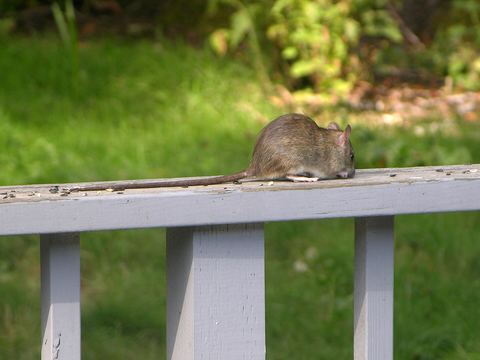
Health NZ says fleas that haven't fed for some time are less fussy about their host and may bite people. It also says cat and bird fleas are very common here and the human flea is rare, so if there's no cat or dog, look for a bird's nest in the eaves or signs of rats or mice. Rodents can bring fleas in too.
The order that works
Treat every pet first
Health NZ's first step is making sure pets are treated. Ask your vet which product suits each animal, and do them all at once. Skip this and fleas will keep coming back into a treated house.
Clean what the pets use
Vacuum the carpets and furnishings they lie on, and clean or remove their bedding. Do it before the technician arrives, unless they tell you otherwise.
Have the house inspected
A technician looks at where pets rest and sleep, then outdoors at the subfloor, sheds and dog houses. Those are the common spots, and the treatment plan follows what they find.
Let the treatment do its work
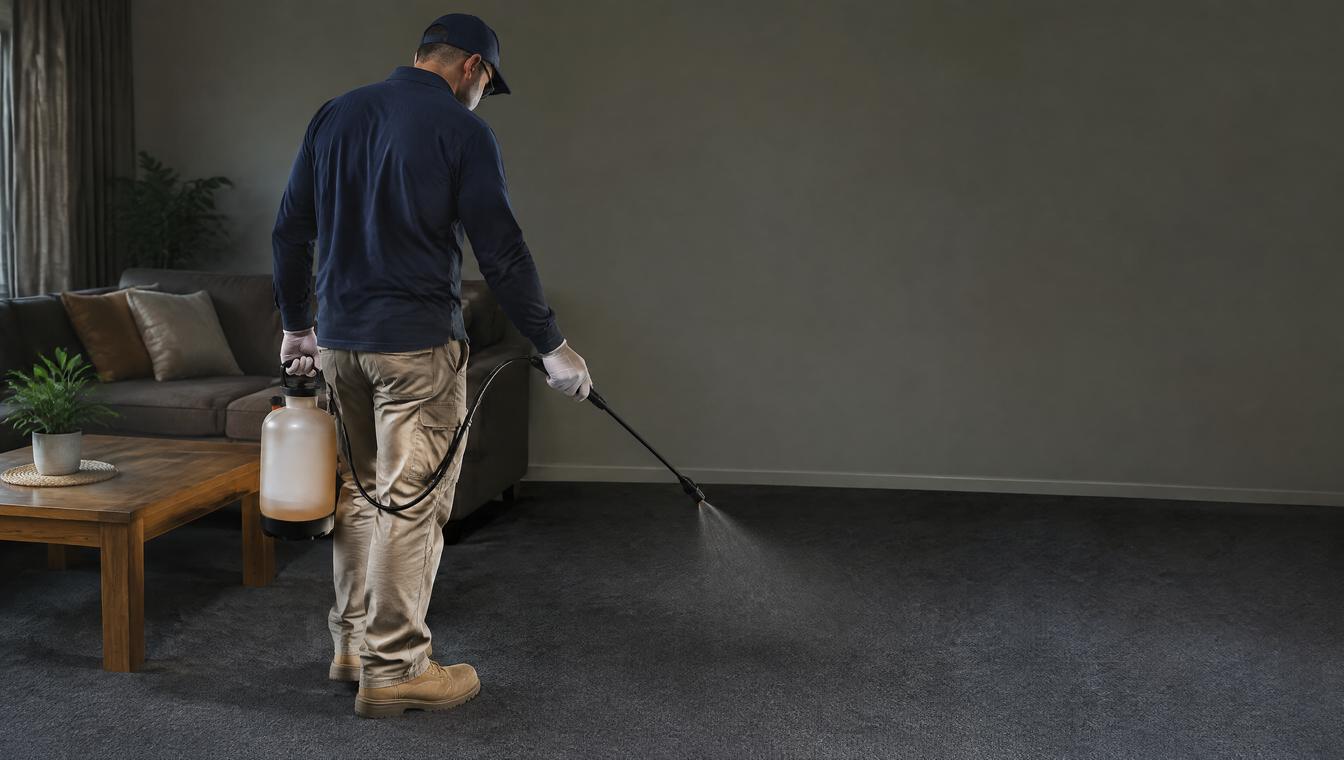
Health NZ says insecticide sprays are used on infested areas and bedding. Fleas still in cocoons can come out afterwards, so ask what to expect over the following weeks and when you can vacuum again.
Why one treatment might not be the end of it
A flea's life cycle, from egg to larva to pupa to adult, takes anywhere from 2 weeks to 8 months, depending on temperature, humidity and food. That's a wide window. Fleas in the cocoon stage can sit out a treatment and appear later, which is why seeing a few after the visit doesn't always mean it failed. Ask the business up front how they handle that.
What makes the job bigger or smaller?
Mostly how much of the house the pets use. One bedroom with a cat basket is a small job. Carpet throughout, pets that come and go, a dusty subfloor and a shed the dog sleeps in is a bigger one. A rodent or bird problem behind the fleas adds to it, because that source has to be dealt with too.
Signs of a quote to think twice about
- It doesn't mention your pets at all.
- It promises you'll never see another flea.
- Nobody can tell you the product's full name.
- There's nothing about what happens if fleas turn up after the visit.
- The quote came before anyone asked about the house.
Your part and theirs
You can
- Check your pets regularly, and keep their treatment up to date with your vet.
- Keep carpets clean, especially where pets rest.
- Wash or replace pet bedding.
- Clear old bird nests from around the house, if you can reach them from the ground.
- Avoid scratching bites, which can get infected.
Leave to a pest business
- Treating floors, furniture and subfloors right through the house.
- Finding a hidden source, such as rodents or nesting birds.
- Getting into the ceiling space or under the house.
Moving out of a rental with a pet
Tenancy Services gives fleas brought in by a pet, causing an infestation, as an example of pet-related damage, and all tenants on the agreement are responsible for that. If your landlord approved the pet under the rules that began on 1 December 2025, read the conditions too: professional carpet cleaning at the end of the tenancy, if the pet's allowed indoors, is one example Tenancy Services gives.
We didn't find a rule that says every tenancy must end with a flea treatment, so check what you signed. Our end of tenancy flea guide goes through it.
Good things to ask
- What do you need me to do with the pets, and for how long?
- Should I vacuum before you come, and when can I start again?
- What's the product called, and can I read the safety data sheet?
- How long before people, pets and fish tanks can go back in the room?
- Does the quote include a return visit if fleas keep appearing?
- Will you give me a written record of what was done, in case my landlord asks?

The order we'd do it in
We'd ring the vet before we rang anyone else, and sort every animal in the house that day. Then we'd vacuum and wash everything the pets touch. If bites keep coming after a couple of weeks, or you've moved into a house with fleas and no pets to blame, tap Fleas or end of tenancy and say which it is. It's a common job, and an annoying one rather than a worrying one.
Want someone to look at it?
Tell us what you've seen and your postcode, and a local pest business that handles exactly that calls you to talk it through.