Stop if you find any of these
Wasps or bees going in and out at the roofline: keep everyone clear and leave the hatch shut. A child who has swallowed rat bait: ring the National Poisons Centre on 0800 764 766, any time, and don't make them throw up unless told to. A pet: ring the vet now. Trouble breathing after a sting is a 111 call.
What's making the noise at night?
Rats and mice share the same soundtrack: scratching, squeaking, clawing and gnawing after dark. We haven't found an official source that separates them by ear, so don't lie there trying. Droppings settle it faster.
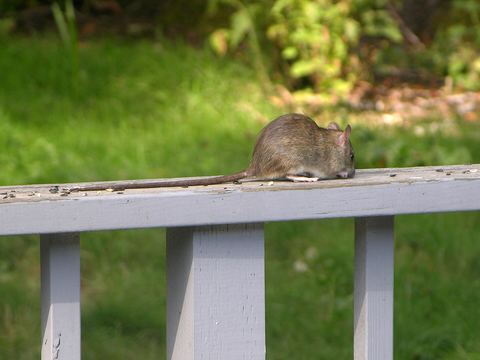
The usual suspect is the ship rat. DOC calls it the most commonly found rat in New Zealand and a good climber, which is how it ends up above your bedroom. The bigger Norway rat is more tied to people and urban areas. Tenancy Services says winter is a more common time for rats or mice to get into the house.
Rat or mouse?
| Ship rat | Norway rat | Mouse | |
|---|---|---|---|
| Body | About 15 cm | About 20 cm | 60 to 100 mm |
| Tail | 15 to 22 cm, longer than the body | About 18 cm, shorter than the body | About as long as the body |
| Droppings | Black, torpedo shaped, 10 to 18 mm | Black, torpedo shaped, 10 to 18 mm | Black, rod shaped, 3 to 6 mm |
| Where it's found | Widespread, and a good climber | Urban areas, close to people | Indoors more as the weather cools |
What else lives up there?
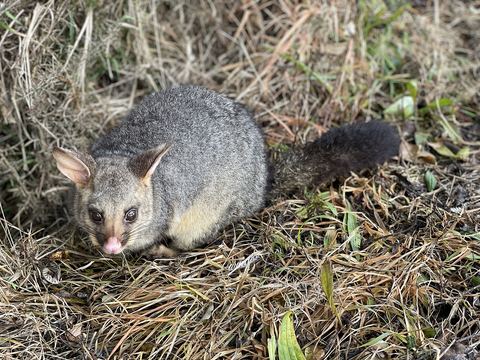
Possums. An introduced pest in New Zealand, and a brushtail will sleep by day in a dark roof. Sound alone won't tell you it's a possum, so ask for the droppings and the way in to be checked.
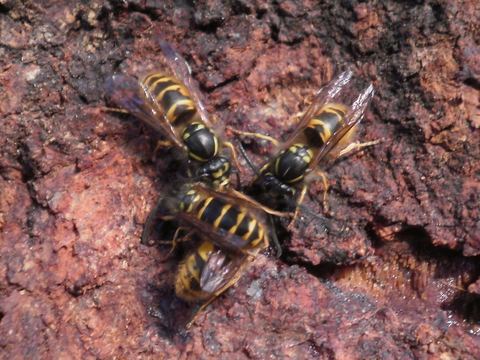
Wasps. Most nest underground, but Waikato Regional Council says common and German wasps sometimes use the walls and roofs of buildings. Wasps flying in and out of one gap is your sign, and it's a job for wasp nest removal.
Mynas. North Island only, north of 40 degrees south. They nest inside eaves, and nest building starts in late August to early September. See bird proofing.
Bees. A colony living in the roof is a job for a pest business. A cluster hanging on a branch isn't: that's a bee swarm, and a beekeeper's call.
What to check, from the hatch and the ground
- Shine a torch in from the ceiling hatch. Don't crawl across the ceiling.
- Droppings on the insulation, and how long they are.
- Gnawed timber or chewed cables. Tell the pest business, and get an electrician to look at any wiring.
- Nests of shredded paper, cardboard, rags or insulation.
- From outside: branches touching the roof, and gaps at the eaves or around pipes.
- What time the noise starts, and which way it travels.
Your part and theirs
You can
- Put away all food at night, pet food included.
- Trim trees and branches that sit against the house.
- Clear stacked newspaper, cardboard, timber and rubble.
- Cover any cuts before you clean up droppings, and wear gloves.
Leave to a pest business
- Finding the way in and closing it off (proofing).
- Bait stations (locked boxes that hold rodent bait) in the ceiling.
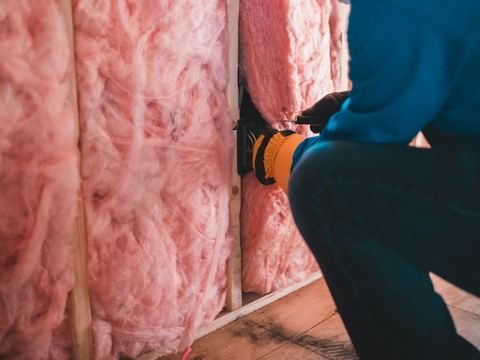
- Working around insulation and wiring.
- Anything involving wasps or bees.

Where we'd start with pests in the roof
We'd stop guessing by ear. We'd have one look from the hatch with a torch, take a photo of any droppings, and tap Rats or mice. Then we'd ask one question when the technician arrives: show me how they're getting in. Bait deals with the rats up there now. Closing the gap deals with the next lot.
Want someone to look at it?
Tell us what you've seen and your postcode, and a local pest business that handles exactly that calls you to talk it through.