Two signs to leave alone
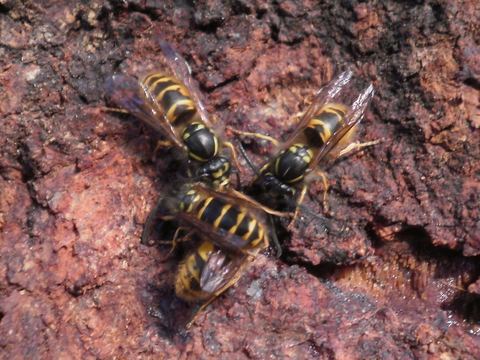
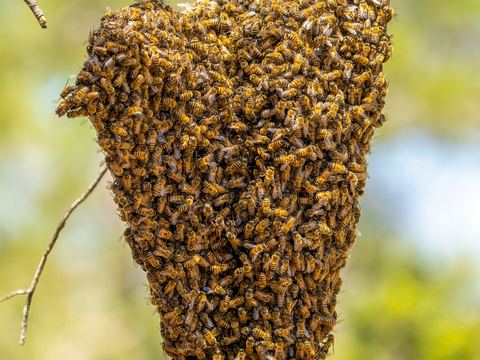
If wasps or bees are using a gap in the wall, keep people and pets away and don't plug the hole: they can find another way out, sometimes into the room. If you see mud packed into gaps in timber, or mud tunnels up a wall, don't disturb it and call MPI. Trouble breathing after a sting is a 111 call.
What does that sign mean?
| It's probably | What happens next | |
|---|---|---|
| Scratching or gnawing after dark | Rats or mice | Look for droppings at floor and ceiling level, then call a pest business |
| Wasps flying in and out of one gap | A wasp nest in the cavity | Stay clear. It's a pest business's job |
| Bees using one gap, day after day | Bees in the wall, not a swarm | A pest business's job |
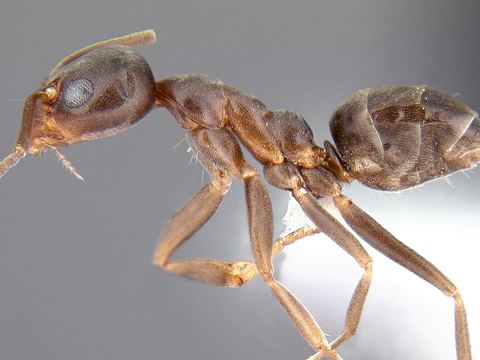
| A trail of tiny ants along the skirting | Ants nesting behind it, or passing through | Follow the trail to where it goes outside |
| Round holes with dust below them | Borer in the timber | Photograph it and ask for an inspection |
| Mud packed into gaps in timber | Possible termites | Don't touch it. Call MPI |
Who's actually in there?
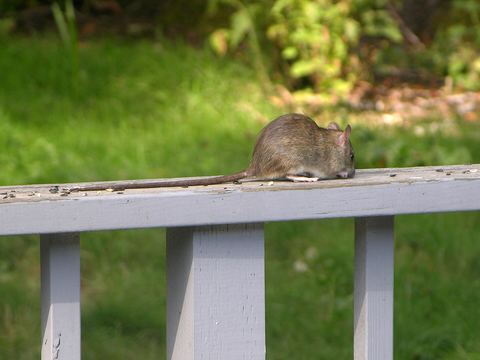
Black or ship rats live happily in cavity walls, and rats wear greasy rub marks along floors and walls where they travel the same route. Mice gnaw holes up to 20 mm wide in walls and partitions, so a small neat hole at skirting height is worth a look.
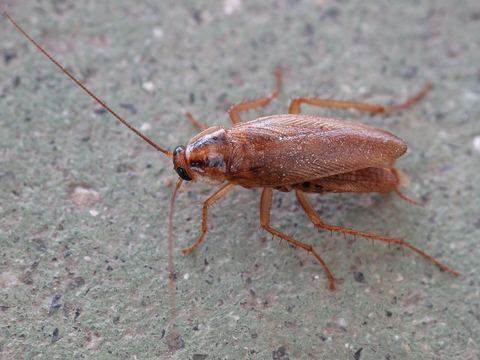
Cockroaches like it too. Health NZ says they prefer damp, dark places and are often found inside walls. Manaaki Whenua puts Argentine ants behind walls as well, and ranks them highly as a household nuisance in New Zealand.
Bed bugs will shelter behind skirting boards and wallpaper near where people sleep, and silverfish may eat wallpaper glue. A white-tail on the wall is just walking across it. Health NZ says they're often found on walls and ceilings.
How do they get into a wall?
Through what's already there: gaps around pipes and cables, old vents, lifted weatherboards and the join where the wall meets the foundation. Rats climb, so the gap needn't be low. Most wall problems start with a small hole somewhere outside and a dry, sheltered space behind it.
Walk round the outside first
- Gaps where pipes, cables and heat pump lines go through the wall.
- Missing vent covers and loose or split weatherboards.
- Any spot where insects come and go in a steady line.
- Damp patches: Health NZ says to keep living areas dry to stop cockroaches.
- Inside, greasy marks along the skirting and small gnawed holes.
What's yours, and what isn't
You can
- Seal gaps around pipes once you know nothing's living behind them.
- Keep food away from walls and benches clear overnight.
- Note where and when you hear the noise.
- Take photos from a safe distance.
Leave to a pest business
- Any wasp nest or bee colony in a cavity.
- Working out where rodents are travelling inside the wall.
- Getting a treatment into the wall cavity.

Where we'd start with pests in the walls
We'd go outside before we did anything inside. Most of what's in a wall arrived through a gap you can see from the garden. Find the gap, take a photo, then tap the pest that fits. And please don't cut a hole in the plasterboard to have a look: if it's wasps, that's the last thing you want to open.
Want someone to look at it?
Tell us what you've seen and your postcode, and a local pest business that handles exactly that calls you to talk it through.