Ten minutes with a torch
Under the sink
Look at the back corners and around the pipes. Small dark droppings, smears, shed skins and empty egg cases mean cockroaches.
Behind the fridge and stove
Health NZ says cockroaches breed in moist, dark places such as under refrigerators, and in cupboards and pantries. Warm motors are a favourite.
The back of the pantry
Check open packets of flour, rice, cereal and pet food. Look for webbing, tiny holes and nibbled grains.
Along the bench and skirting
Follow any ant trail both ways. Note where it starts, as it's usually outside.
Cockroaches
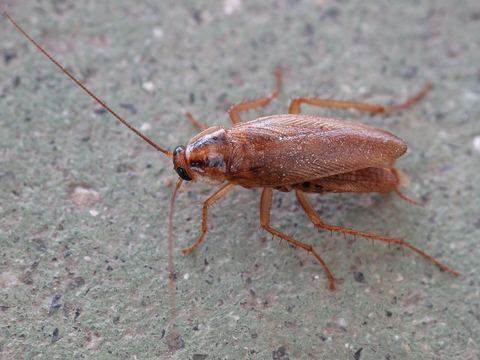
Health NZ names the German and American cockroaches as the biggest cockroach pests here. The German is the kitchen one: amber, 12 to 15 mm long, with two dark stripes behind the head. It rides in on cardboard boxes and crates of food and drink, then settles into cupboards, drawers and appliances.
Seeing them in daylight often points to a large number behind the scenes. Health NZ says they can spread diseases such as dysentery and salmonella if they get onto food or surfaces, so this one's worth acting on. Cockroach control has the detail.
Ants
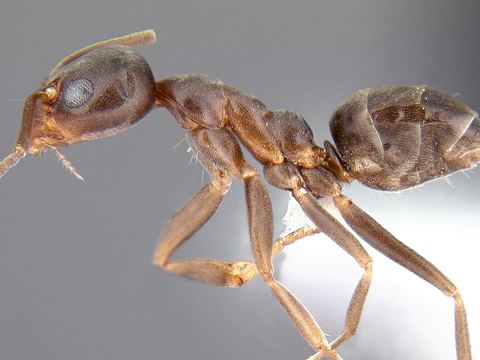
A neat line to the sugar is the classic sign. Manaaki Whenua says Argentine ants rank highly as a household nuisance here, getting into cupboards and even sealed jars. DOC describes them as 2 to 3 mm and honey-brown, often in wide trails, where most other ants you'll see in New Zealand are black.
Go easy on the can of spray. DOC warns the wrong amount of pesticide could lead an Argentine ant colony to split up and become harder to control. See ant control and the ants page.
Mice and rats
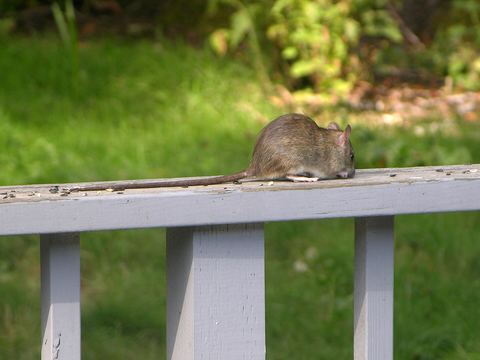
Look for chewed packets, crumbs left where they've fed, and droppings at the back of drawers. Mice nibble the outside of grains and leave the core. Rodents also contaminate food with their droppings, so throw out anything they've reached. Rat and mouse control covers the next step.
Pantry moths and beetles
Small moths with two-coloured wings, cream and brown, about 8 to 9 mm long, usually mean Indian meal moths. Their creamy larvae leave webbing in the food. Tiny beetles of about 2.5 to 4 mm in flour or spices are a similar story. Both live in the packet, so the fix is mostly in your hands: bin what's affected, wipe the shelves and keep dry goods in sealed containers.
How they get in
Cockroaches come in with the shopping or through gaps around pipes. Ants follow cracks. Rodents use any hole that leads to food, which is why Health NZ says to proof the holes and accesses into a building. Second-hand appliances and cardboard stored under the bench are worth a second look too.
Before anyone comes out
You can
- Clean often, above all where food is handled, and wipe up spills.
- Put food away at night, pet food included.
- Get rubbish out promptly and keep the bin lidded.
- Move dry goods into sealed containers.
- Flatten and remove cardboard boxes.
Leave to a pest business
- Cockroach baits: Health NZ says to use a trained, qualified operator.
- Argentine ant colonies.
- Rodent bait stations and proofing.
- Working out where a big problem is hiding.

What we'd do about pests in the kitchen
Pantry moths, we'd sort ourselves this weekend with a bin bag and some jars. Cockroaches seen in daylight, or mice in the drawers, we wouldn't sit on. We'd clean up, keep the evidence for the technician, and hold off on sprays until they've had a look, because a spray can get in the way of what they plan to do.
Want someone to look at it?
Tell us what you've seen and your postcode, and a local pest business that handles exactly that calls you to talk it through.