What's different in Pāpāmoa
Sandy sections
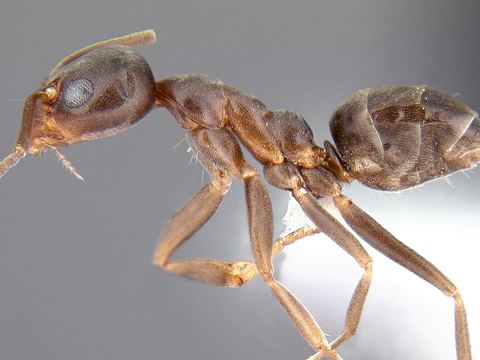
Bay of Plenty Regional Council says Argentine ants favour sandy coastal and volcanic soils. They're honey-brown, 2 to 3 mm long, and move steadily in defined, continuous trails rather than wandering.
Rat stations in the dunes
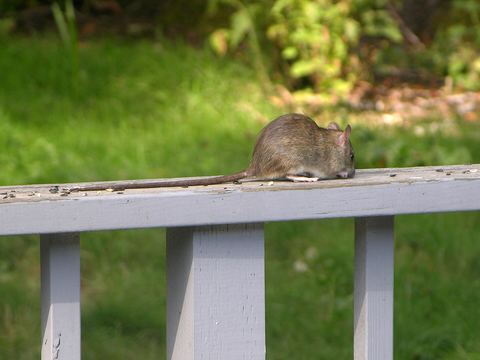
In July 2022 the Bay of Plenty Times reported Tauranga City Council putting rat bait stations in the sand dunes near Pāpāmoa Beach Road, with warning signs at some beach accessways. The council's parks manager said the aim was to protect New Zealand dotterel, because rats eat the eggs and chicks of rare birds.
Katipō on the beach
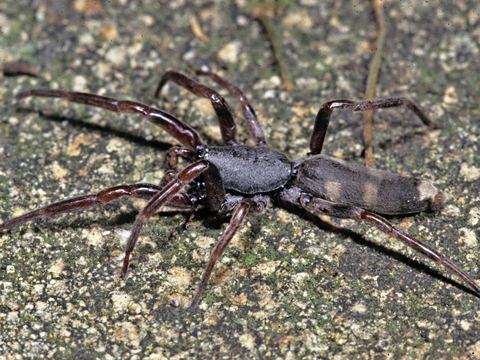
Te Papa says katipō live among grasses, sedges, driftwood and flotsam on sandy beaches throughout New Zealand. They're Absolutely Protected under the Wildlife Act, and Te Papa says bites are very uncommon. They're never a pest job: leave them where they are.
Part of Tauranga City
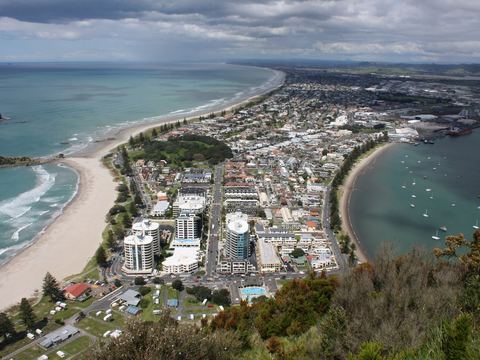
Pāpāmoa comes under Tauranga City Council and Bay of Plenty Regional Council. German and common wasps sit in the regional council's advisory programme, so a nest on your section is up to you as landowner or occupier.
What you're most likely to find
Ants come first. A trail along the skirting or up the kitchen bench that keeps coming back after you've wiped it is worth tapping, because the regional council says Argentine ant baiting needs to be strategic and well coordinated or results will be limited.
Rats are the next thing, especially on sections near the dunes or a reserve. The EPA says rats can nest in cardboard, old newspaper and piles of timber, bricks or rubble, so a garage or side path full of building leftovers deserves a tidy.
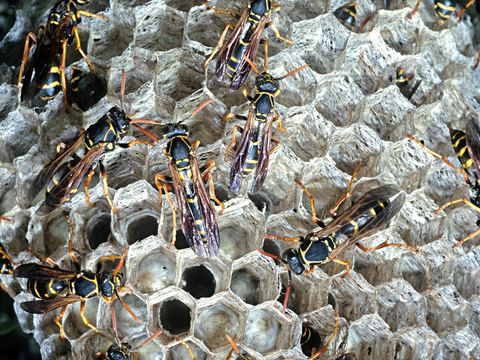
Paper wasps hang their nests where you can see them, often under eaves and on fences. The regional council says they're less aggressive than German and common wasps, which nest underground or in cavities. Either way, leave the nest alone.
What can you check before anyone comes out?
- Where the ant trail goes, and whether it heads outside to the garden or lawn.
- Gnawed packets, droppings or scratching, and which side of the house it's on.
- Any nest under the eaves or in the fence, photographed from well back.
- Whether the neighbours have the same ants, because a colony can cover more than one section.

Where we'd start with pests in Pāpāmoa
We'd start with the ants, because on sandy ground they're the likeliest thing behind a call. If the trail runs over the fence, have a word next door first: a treatment that stops at your boundary often doesn't hold. Then tap what you've seen and say if you're near the dunes.
Want someone to look at it?
Tell us what you've seen and your postcode, and a local pest business that handles exactly that calls you to talk it through.