
Nelson Tasman
Pest control in Nelson
A sunny port city, and a long list of insects that came ashore.
In Nelson, ants, paper wasps and Gisborne cockroaches are the pests to get to know, so tell us what you've seen and a local pest business that handles it will ring you.
- Matched to what you've seen
- Only one local pest business gets your number.
Matched to what you've seen
Before a pest business can take jobs from Which Pest, we record the work it handles, so a borer job never lands with a business that only does wasps.
Only one local pest business gets your number.
We share your contact details with one local pest business so it can get in touch about this job.

Pest control in Nelson: what to know before anyone calls
On this page
What's different in Nelson
Ants that arrived by sea
The Tasman and Nelson councils' insect booklet says Argentine ants came in accidentally at Port Nelson and were discovered in 2001. Darwin's ants were found at Nayland in the 1980s, before that. The white-footed house ant was first found in New Zealand at Nelson, in 1921.
Two kinds of paper wasp
The Asian paper wasp had established in Nelson by 1990, the booklet says, and the European paper wasp is now present too.
Gisborne cockroaches
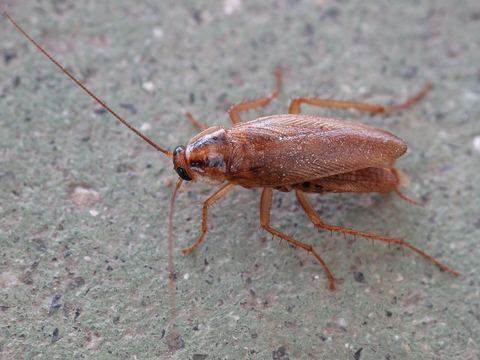
The same booklet says they're present throughout Nelson City. They're wingless, come out at night on outside walls and prefer living outdoors.
Sunshine, and fewer frosts
NIWA puts Nelson City's average sunshine at approximately 2,400 hours a year, among the highest recorded in New Zealand. Frosts are quite common in the cooler months, but less frequent than in most of the South Island.
Insects and the regional plan
The booklet says no pest insects are listed in the Tasman-Nelson Regional Pest Management Plan any more. Nelson City Council's Biosecurity Officers can still help you identify one.
Ants: the smell test
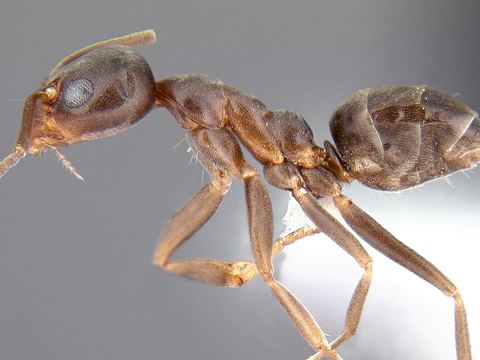
Three ants feature in the councils' booklet, and a crushed one helps tell them apart. Argentine ants are honey-brown with no sharp smell, and DOC says they trail five or more wide and readily climb trees. Darwin's ants are similar in colour but give off a sharp, vinegary smell. White-footed house ants are black with pale feet and trail through houses in summer.
Argentine ants spread about 100 m a year on their own, the booklet says, but much further in pot plants, freight and rubbish. Spraying the trail can split a colony, DOC warns, so ant control here is better planned than improvised.
Paper wasps and German wasps
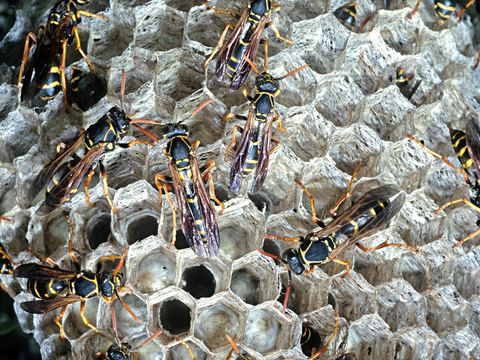
Paper wasps hang small, open nests off houses. German and common wasps hide theirs in the ground, in banks and flax clumps, or in a roof space reached under the iron edging. The booklet puts peak German and common wasp numbers at March to April. A nest near a door is a job for a pest business either way.
Past termite finds
MPI reported in 2014 that Australian subterranean termites found at Richmond in 2006 had been eradicated, and that elimination was declared for a 2009 incursion in Nelson. If you see mud packed into gaps in timber, or mud tunnels up a wall, don't disturb it and ring MPI.
A white-tail with Nelson roots
Te Papa says the white-tail Lampona cylindrata was once known in New Zealand from a handful of Nelson records, and has been widespread across the South Island since about 1980. One on the wall isn't a job worth paying for, and Health NZ says the bites don't cause ulcers.

Where we'd start with pests in Nelson
We'd identify before treating, because several lookalike species live here. We'd crush one ant on a paper towel and sniff it, photograph any wasp nest from well back, and then tap what we've seen. If it's something none of us recognise, we'd ring MPI first.
Want someone to look at it?
Tell us what you've seen and your postcode, and a local pest business that handles exactly that calls you to talk it through.
Questions
Pest control in Nelson: common questions
Does Nelson City Council deal with ants or wasps?
The councils' booklet says pest insects are no longer listed in the regional plan, so on your own property they're yours to arrange. The Biosecurity Officers can still help you work out what you've got.
Do bumblebees in the lawn need treating?
Usually not. The booklet describes bumblebees as relaxed, with small ground nests, and suggests living with them. Honey bee swarms go to a local beekeeper.
Seen a pest in Nelson? Tell us what it is.
What you have seen, one tap about it and your postcode. Then a local pest business that handles exactly that calls you.
Before anyone starts
What to ask a pest business
Related help
More on pest control in Nelson
 Ant controlHow to spot Argentine ants, why a spray can backfire, and when ants are worth paying someone for.Read it
 Paper waspsAsian or Australian, how the pear-sized nest looks, and when it needs dealing with.Read it
 Cockroach controlGerman or American, one visitor or a real problem, and what a cockroach treatment involves.Read itTermites in New ZealandWhat MPI says, the signs to look for, and why a suspected find is a call, not a job.Read itPest control in RichmondPaper wasps, Gisborne cockroaches, ants and Tasman's rules: what's different in Richmond.Read itPest control in BlenheimPaper wasps, dry summers, cold winters and the stink bug to report: pest control in Blenheim.Read it
Where this information comes from
- Tasman District Council and Nelson City Council Controlling Pest Insect Invaders (booklet, printed December 2024), checked 3 November 2026
- NIWA (Macara, G.R. 2016, Science and Technology Series 71) The climate and weather of Nelson and Tasman, checked 3 November 2026
- Ministry for Primary Industries (MPI Biosecurity Response Update, hosted by the NZ Farm Forestry Association) Australian subterranean termites update 2014, checked 3 November 2026
- Ministry for Primary Industries Have you seen signs of termites? (leaflet), checked 3 November 2026
- Department of Conservation Argentine ants, checked 3 November 2026
- Department of Conservation Argentine ants, checked 3 November 2026
- Te Papa Tongarewa (Collections Online) White-tailed spiders, checked 3 November 2026
- Health New Zealand Te Whatu Ora Treating spider bites, checked 3 November 2026
- Department of Conservation Wasps, checked 3 November 2026
Rules and advice change, so check the source before you act on anything here. How we write and check these pages.