

A wasp nest in any month
Keep children and pets away and leave the nest alone, however late in the year you find it. Swelling around the lips or eyes, wheezing or a tight throat after a sting is a 111 call.
Where do these months come from?
We've only used months that an official body, museum or university gives. No official source gives months for cockroaches, fleas, bed bugs or silverfish, and no borer flight season is confirmed, so they're left out instead of guessed. Weather shifts all of this, and so does where you live, so treat it as a rough map.
The year at a glance
| What's going on | What to do | |
|---|---|---|
| January | Wasps at their busiest around food. Last month of swarming. Mynas laying | Deal with any nest now. A swarm goes to a beekeeper |
| February | Wasps still the main job. Myna laying ends early in the month. Male spiders wandering | Walk the boundary and look for flight lines |
| March | Bigger, older nests. White-tails seen indoors | Keep well back from nests. Shake out clothes |
| April and May | Spiders still about. Cooler weather pushes mice to shelter | Seal gaps and clear the gutters before winter |
| June and July | Rats and mice in ceilings and walls | Check for droppings and put food away at night |
| August | Swarming can begin. Mynas start on nests late in the month | Check the eaves in the North Island |
| September and October | Swarms building. Insects start to show indoors | Keep a collector's number handy. Clean up food and water |
| November | Swarms continue. Myna laying begins. Insects indoors | Empty standing water around the yard |
| December | Swarms continue. Wasps turn up around barbecues. Borer beetles near their holes | Look for borer holes and dust on windowsills and timber |
When is wasp season in New Zealand?
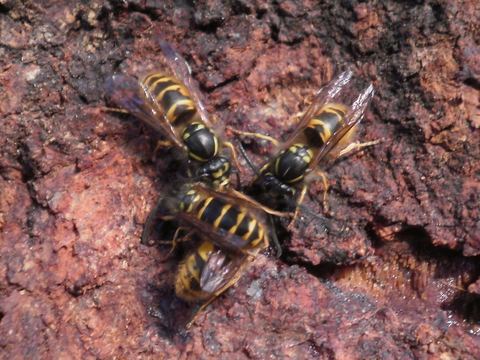
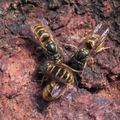
Summer is when you'll notice it. DOC says wasps eat protein in the warmer summer months, which is why they find the barbecue so quickly. A University of Auckland professor singles out January to February as the time to deal with a colony.
Late summer can feel worse. In March 2025 the university said a long, dry, hot summer had built numbers up, and that larger, older nests were especially dangerous at that time of year because they've got more defensive workers ready to sting. DOC adds that colonies can become huge if they survive the winter, so a nest left alone may not be finished. Wasp nest removal has what to do next.
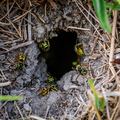
We don't have an official start and end date, and timing around the country will differ. If you can see wasps going in and out of one spot, it's the season.
Spring: swarms, mynas and the first insects
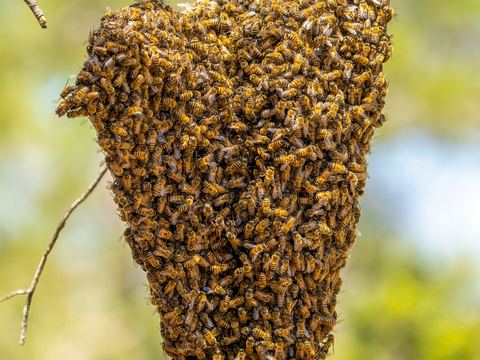
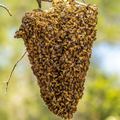
Apiculture New Zealand says honey bee swarming can begin as early as August and runs through to January. A cluster of bees on a branch is a beekeeper's job, and our bee swarm guide shows how to find one.
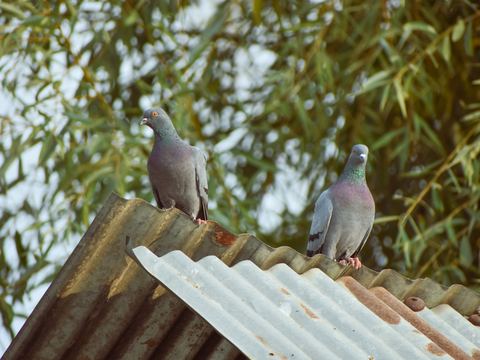
Mynas start preparing nests in late August to early September and lay from November to early February, often inside the eaves of houses. That's only in the North Island, north of 40 degrees south. Bird proofing has more. Insect problems for tenants tend to start around spring and early summer, by Tenancy Services' account.
Summer: borer beetles, and one to report
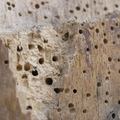
Settled.govt.nz says borer beetles may be found near their holes, on windowsills and on affected timber in summer, so it's a good time to look. We can't give you exact flight months.
Winged Australian subterranean termites usually show up between November and February, according to Hawke's Bay Regional Council. Nothing we've read says they're established here, but if you ever suspect them, leave them alone and call MPI. Our termite guide explains why.
Autumn: why are there so many spiders?
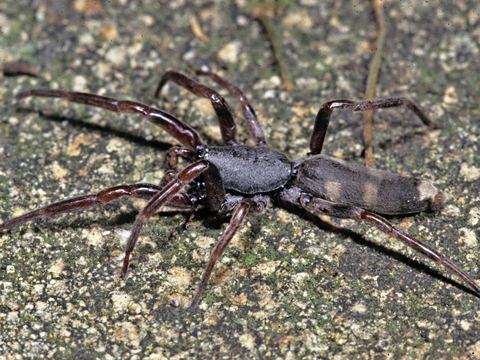
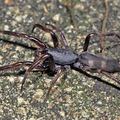
Te Papa says more male spiders are seen indoors through summer, especially in late summer and early autumn, as they wander in search of females. It suggests white-tails seen indoors around March may be males too. They're passing through more than moving in. See the white-tail page before you worry about a bite.
Winter: rats and mice
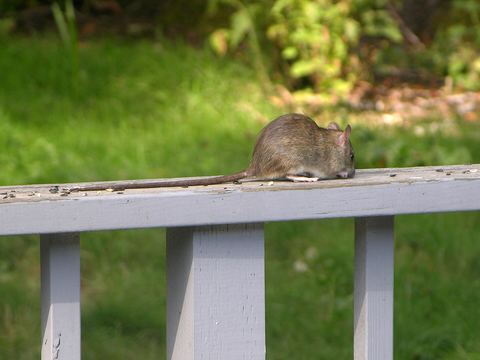
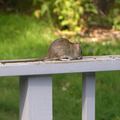
Tenancy Services says winter is a more common time for rats or mice to get into the house, and CSIRO says cooler weather encourages mice to find shelter inside homes. If you hear something above the ceiling at night, the roof space page can help. It's also the quiet time for jobs outdoors, which makes it a good time to close up gaps.
A few jobs that pay off through the year
- Late winter: check eaves, vents and gaps before spring.
- Spring: find your nearest swarm collector before you need one.
- Summer: cover food outside and watch for wasp flight lines.
- Autumn: trim branches back from the roof and clear gutters.
- Before winter: put away pet food at night and clear stored cardboard.
- Any month: fix leaks and keep the subfloor aired.

How we'd use this calendar
We wouldn't try to get ahead of every pest. We'd do two things: walk the section in January looking for wasps, and close up gaps in autumn before the rats come looking. Everything else can wait until you see it. If something's turned up that doesn't fit this calendar, tell us what you've seen anyway.
Want someone to look at it?
Tell us what you've seen and your postcode, and a local pest business that handles exactly that calls you to talk it through.