Why Auckland homes get borer
A lot of old timber houses
Auckland's early 1900s growth was mostly stand-alone homes, with villas common and Californian bungalows popular through the 1920s, says Auckland Regional Council's history of the city. Tram routes along New North, Dominion, Mt Eden and Manukau Roads drew much of that growth.
Damp suits borer
Consumer NZ said in 2015 that borer prefer seasoned or moist untreated timber and soft sapwood, and are often found on the south side of a building or in floor timbers prone to damp. With Auckland's humid summers and year-round rain, a poorly aired subfloor is easy to come by.
The larvae work out of sight
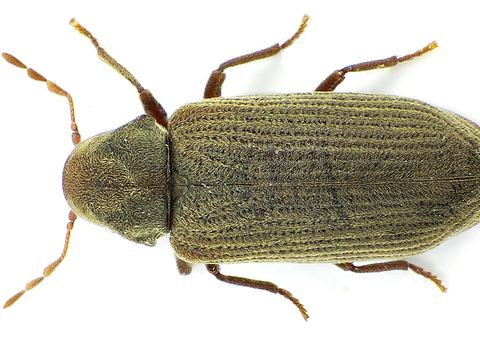
Settled.govt.nz says borer larvae spend 2 to 4 years eating soft timber in floorboards, piles, weatherboards and furniture before they emerge. The holes you can see are where adults have already left.
Live borer or old holes?
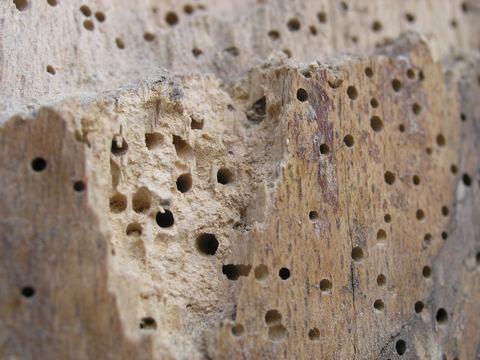
Settled.govt.nz lists the signs: round or oval holes, borer dust below them, weak or damaged floorboards, tunnels in the wood, and beetles near the holes in summer. Consumer NZ said in 2015 that active borer shows as flight holes of 2 to 4 mm with piles of fine sawdust, while larger oval holes up to 7 mm point to the two-toothed longhorn.
Old holes from borer treated years ago won't keep producing dust. Vacuum the spot, check again over the next few weeks, and photograph any fresh dust: that's the detail a pest business wants.
If it's mud, not dust
Mud packed into gaps in timber, or mud tunnels running up a wall, isn't borer. MPI says these can be signs of the Australian subterranean termite: don't disturb them, and ring MPI. It's a biosecurity report, not a pest job.
Signs it has gone further
- Floorboards that flex or creak, with crumbling corners and edges.
- Dust on the ground under the piles or bearers (the beams that carry the floor).
- Holes in more than one room, or in the framing.
- Weatherboards that feel soft when pressed.
What a borer job usually involves
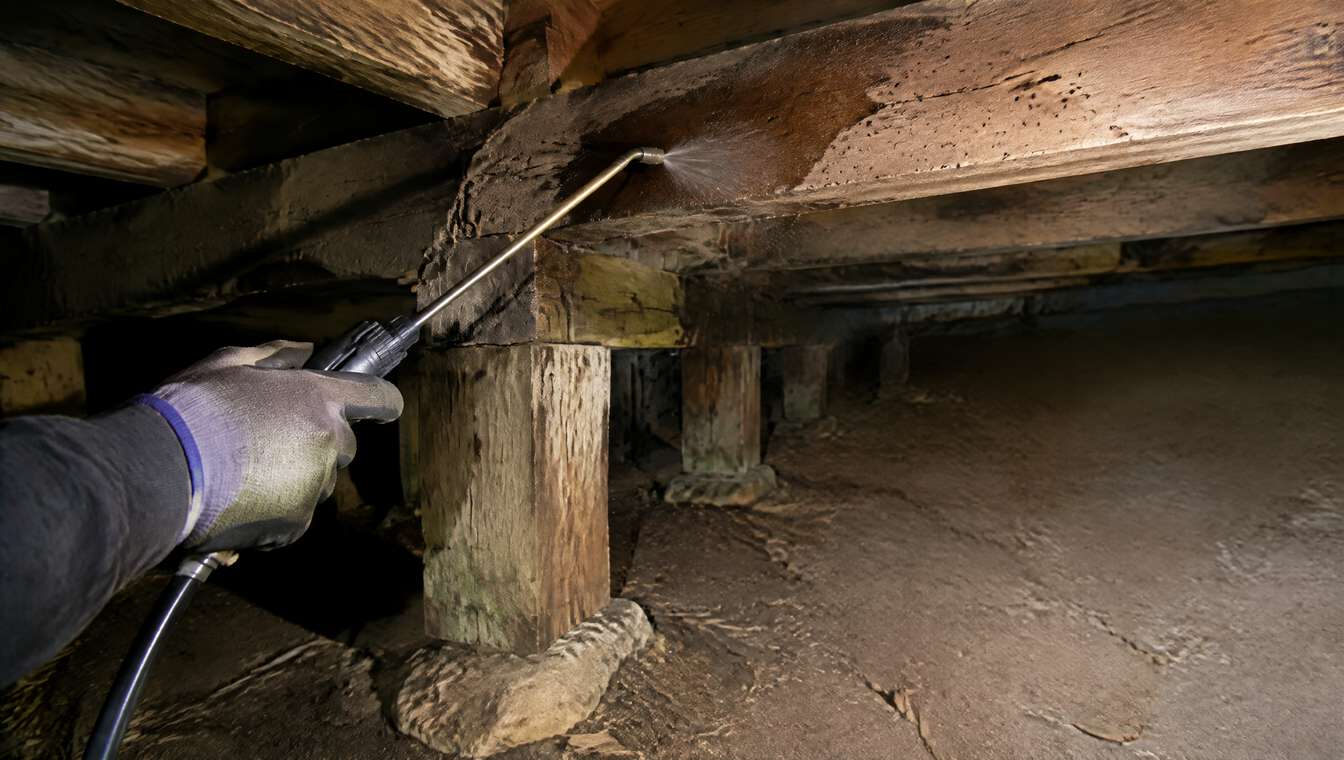
An inspection comes first: floors, subfloor, roof framing and any timber furniture you're worried about. Consumer NZ said in 2015 that the long-term treatment is a residual surface application of an insecticide or preservative, and that it only works on bare timber, so paint or varnish may need stripping.
The same article said bombs, misting and fogging only reach adults on the wing, not larvae inside the wood, and that fumigation isn't usually suited to whole houses. Badly affected boards are usually replaced, which can mean a builder as well as a pest business.
What a good written quote covers
- Which timbers are affected, room by room and under the floor.
- The product's full name, and where it goes.
- Any stripping or preparation needed first.
- What gets replaced rather than treated, and who does that work.
- When they'll come back to check, and what any warranty covers, in writing.
Your part, and theirs
You can
- Keep subfloor vents clear so the space stays dry.
- Fix leaks and drainage that wet the floor framing.
- Photograph holes and dust with a coin beside them for scale.
- Look over second-hand timber furniture before it comes inside.
Leave to a pest business
- Treating floors, framing and weatherboards.
- Deciding what needs replacing.
- Anything structural, alongside a builder.

Where we'd start with borer treatment in Auckland
We'd start under the house with a torch, because the subfloor tells you more than the hallway does. Photograph the worst spot, note whether the dust looks fresh, and tell us Borer with what you found. Buying instead? Get it in writing that the building report covers borer: Settled.govt.nz warns that some inspectors exclude it, and recommends a report that meets NZS 4306:2005.
Want someone to look at it?
Tell us what you've seen and your postcode, and a local pest business that handles exactly that calls you to talk it through.