Borer in Christchurch: the local picture
It's not a council matter
Christchurch City Council's pests page covers bees, wasps, rats and mice, and borer doesn't appear on it. Plan on sorting this out with a pest business, a builder or both.
A dry climate, but damp still counts
NIWA says the Canterbury plains get low rainfall. Even so, Consumer NZ said in 2015 that borer are often found on the south side of a building or in floor timbers prone to damp. The shaded south wall and the subfloor are where we'd look first.
Mud in the timber is a different call
MPI says signs of termites include mud packed into gaps in timber and mud tunnels up walls. If that's what you see, don't disturb it and ring MPI. That's a biosecurity report, not a borer job.
Signs worth a closer look
- Round or oval holes in floorboards, piles or weatherboards.
- Fine dust sitting below the holes.
- Boards that feel weak, or corners that crumble.
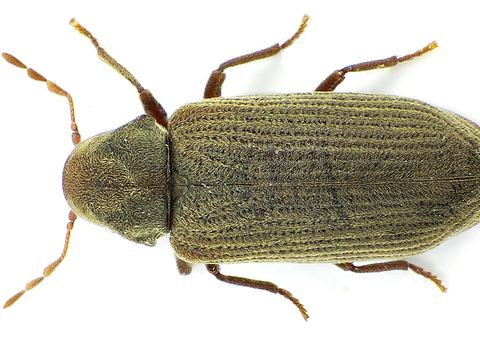
- Small brown beetles near the holes, or on a windowsill, in summer.
How big are the holes?
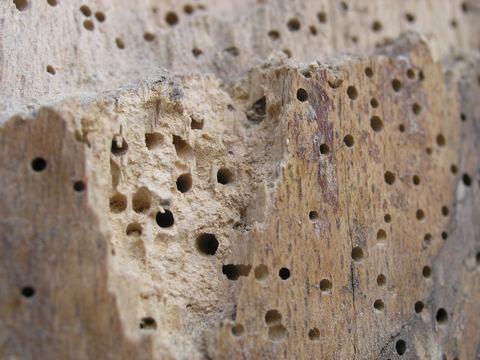
Consumer NZ described active borer in 2015 as flight holes of 2 to 4 mm with fine sawdust. It said the two-toothed longhorn leaves larger, more oval holes of up to 7 mm. Old holes with no dust may be history, which is why an inspection beats a guess.
Settled.govt.nz says the larvae spend 2 to 4 years inside soft timber. By the time you see a hole, the beetle has already left, so a few holes tell you less than the state of the wood around them.
What treatment usually involves
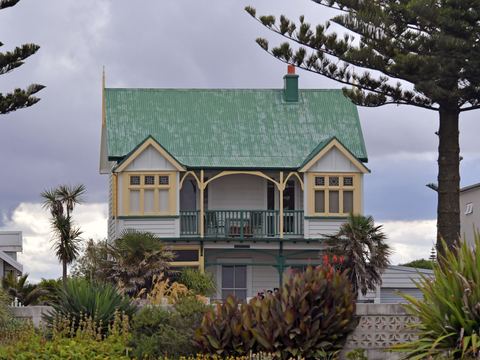
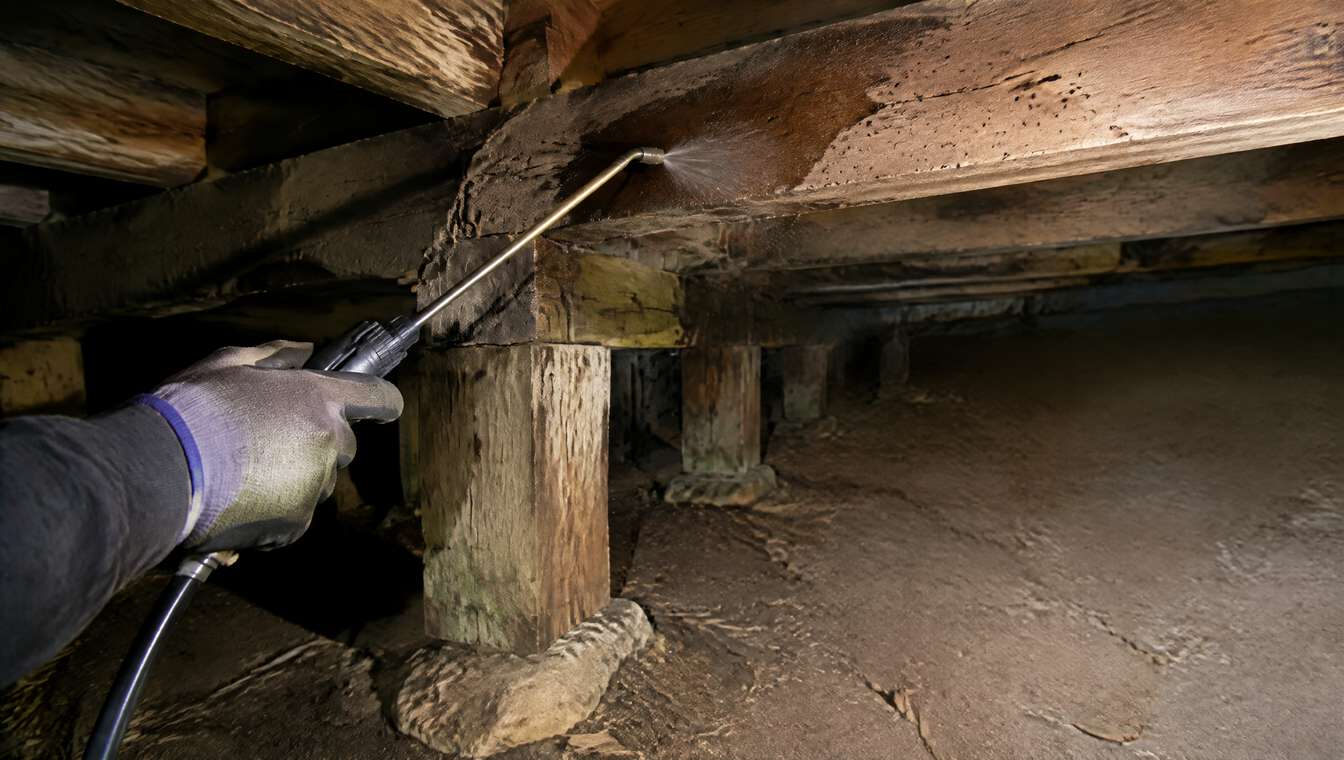
Expect an inspection first. Consumer NZ's 2015 article called a residual surface application the long-term treatment, and said it only works on bare timber, so paint or varnish may need to come off. That matters on a painted villa.
It also said bombs, misting and fogging reach only adults in flight, not the larvae inside the wood. For weatherboards, the long-term fix was replacing affected boards and treating the framing behind, and badly affected timber should be replaced. That part's a builder's job, so a pest business may suggest getting one in.
Buying an older Christchurch home
Make sure the building inspection covers borer, because Settled.govt.nz warns that some inspectors exclude liability for it. Read the report's exclusions as well as its findings. Settled recommends a full report that meets NZS 4306:2005.
What you can check, and what to hand over
You can
- Go round the south side with a torch.
- Check under the house if you can get there easily.
- Keep subfloor vents clear so the space stays aired.
- Photograph any holes next to a coin for scale.
Leave to a pest business
- Working out whether borer is still active.
- Treating the timber.
- Advising on repairs alongside a builder.
Ask before you say yes
- Which timber will you treat, and does the paint need to come off first?
- What's the product's full name, and can I see its safety data sheet?
- How will we know it has worked, and is any warranty written down?
- Should a builder look at any of these boards?

Where we'd start with borer treatment in Christchurch
We'd go round the south wall and under the floor with a torch, take photos, and only then get in touch. If the holes have dust below them, tap Not sure what it is or borer and send the photos along. We wouldn't let off a fogger first, since it won't reach what's in the wood.
Want someone to look at it?
Tell us what you've seen and your postcode, and a local pest business that handles exactly that calls you to talk it through.