Why borer comes up in Wellington
An older housing stock
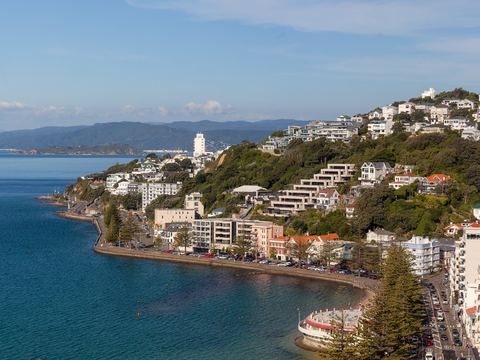
A 2020 OneRoof and Valocity analysis counted 18,660 Wellington homes built before the 1950s, against 2,239 built since 2010. That's a lot of timber that has had decades to be found.
Shady sides and damp floors
Consumer NZ wrote in 2015 that borer go for moist untreated timber and soft sapwood. It found them often on the south side of buildings and in floor timbers that get damp. On a steep Wellington section the south side may see very little sun, which makes it the first place to check.
No regional programme
Borer doesn't appear anywhere in Greater Wellington's pest plan. There's no regional rule or programme for it, so treatment is between the owner and the pest business they choose.
What to look for in a Wellington house
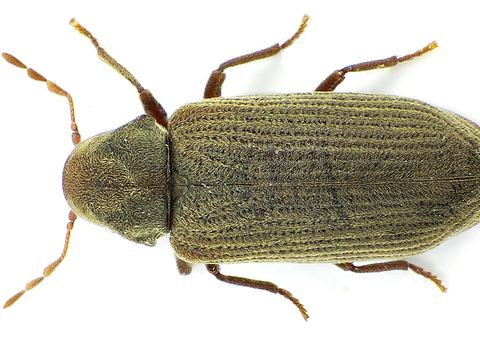
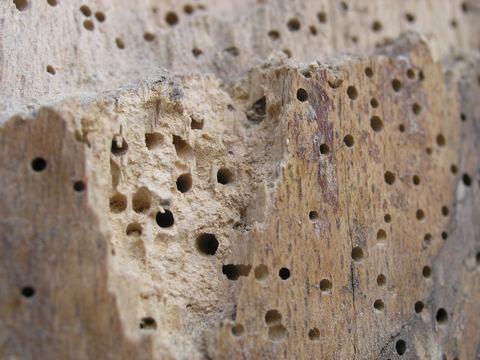
Settled.govt.nz lists round or oval holes, borer dust below them, weak floorboards with crumbling edges, and tunnels inside the wood. In summer the small brown beetles may sit near the holes or on a windowsill.
Hole size gives a hint. Consumer NZ put active borer at flight holes of 2 to 4 mm with fine sawdust, and the two-toothed longhorn at larger, oval holes up to 7 mm.
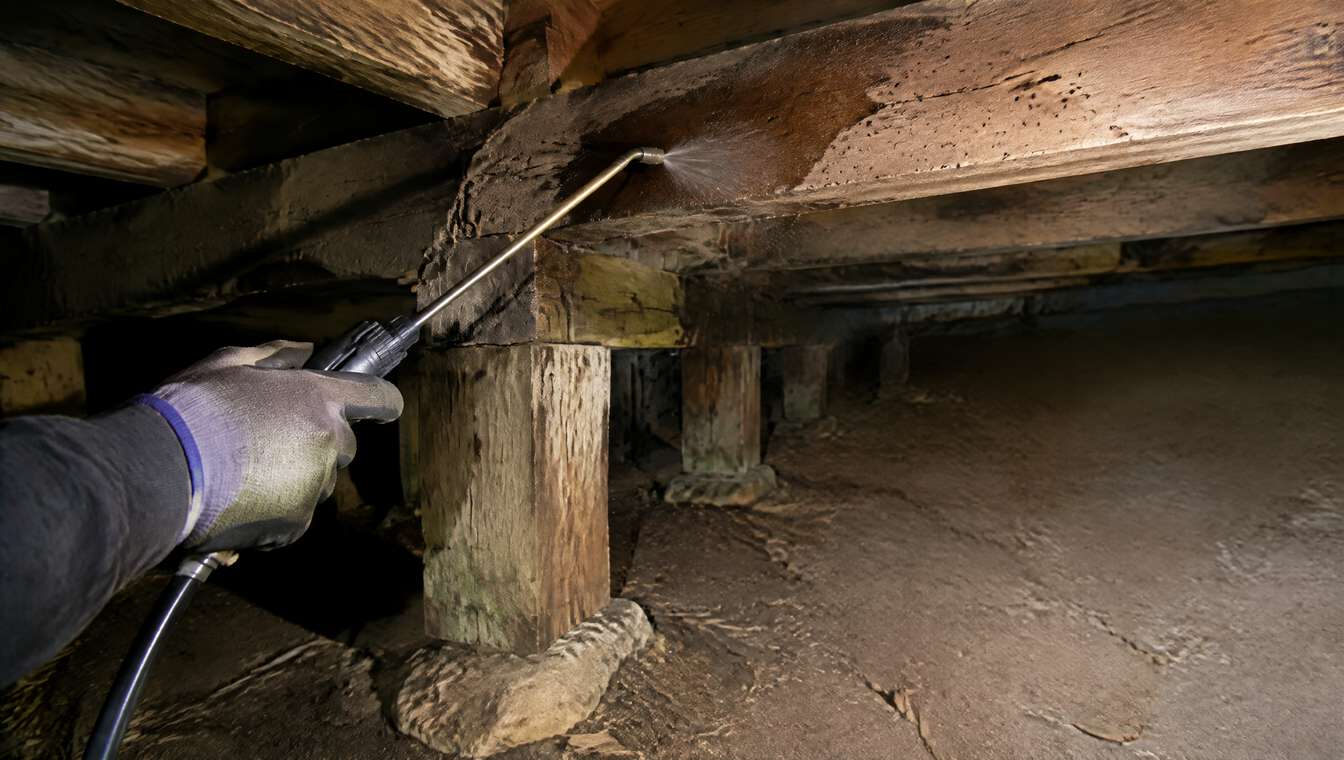
Start under the house. Piles (the short posts that hold up a timber floor) and the floor framing are where damage matters most, and on a hillside the low side of the subfloor is often the dampest.
Mud in the timber is a different call
If gaps in timber are packed with mud, or you see mud tunnels on a wall or across the ground, don't touch them. MPI treats those as possible termite signs and wants a call.
What does a borer treatment involve here?
An inspection first, usually crawling the subfloor and walking the weatherboards. The technician should tell you whether the borer is active, which timbers it's in, and whether any are weakened.
Consumer NZ described the long-term treatment in 2015 as a residual surface application, which works on bare timber only, so paint or varnish may need stripping. It said bombs, misting and fogging only reach adults in flight. For weatherboards, the lasting fix it described was replacing affected boards and treating the framing behind them.
Ask before you agree to a borer treatment
- Is the borer active, and what told you so?
- Which timbers are affected, and are any piles or floor framing weakened?
- Which product will you use, what's its full name, and does paint need to come off first?
- Is any timber past treating, and who would replace it?
- What will the written quote and treatment record show, and is there a follow-up check?
What you can do, and what to leave
You can
- Keep subfloor vents clear so air can move under the floor.
- Fix leaks and downpipes that wet the timber or the ground under the house.
- Check the south and shadiest sides first, and photograph any holes and dust.
- If you're buying, ask for borer to be included in the building inspection.
Leave to a pest business
- Judging whether borer is active, and how far it goes.
- Applying a residual treatment to timber.
- Assessing piles and structural timber, and replacing what's gone.

Where we'd start with borer treatment in Wellington
With a torch under the floor, before anyone quotes. Borer in an old bookcase and borer in the piles of a hillside house are very different conversations, and you want to know which one you're having. Tap Borer and tell the business what you found and where.
Want someone to look at it?
Tell us what you've seen and your postcode, and a local pest business that handles exactly that calls you to talk it through.