
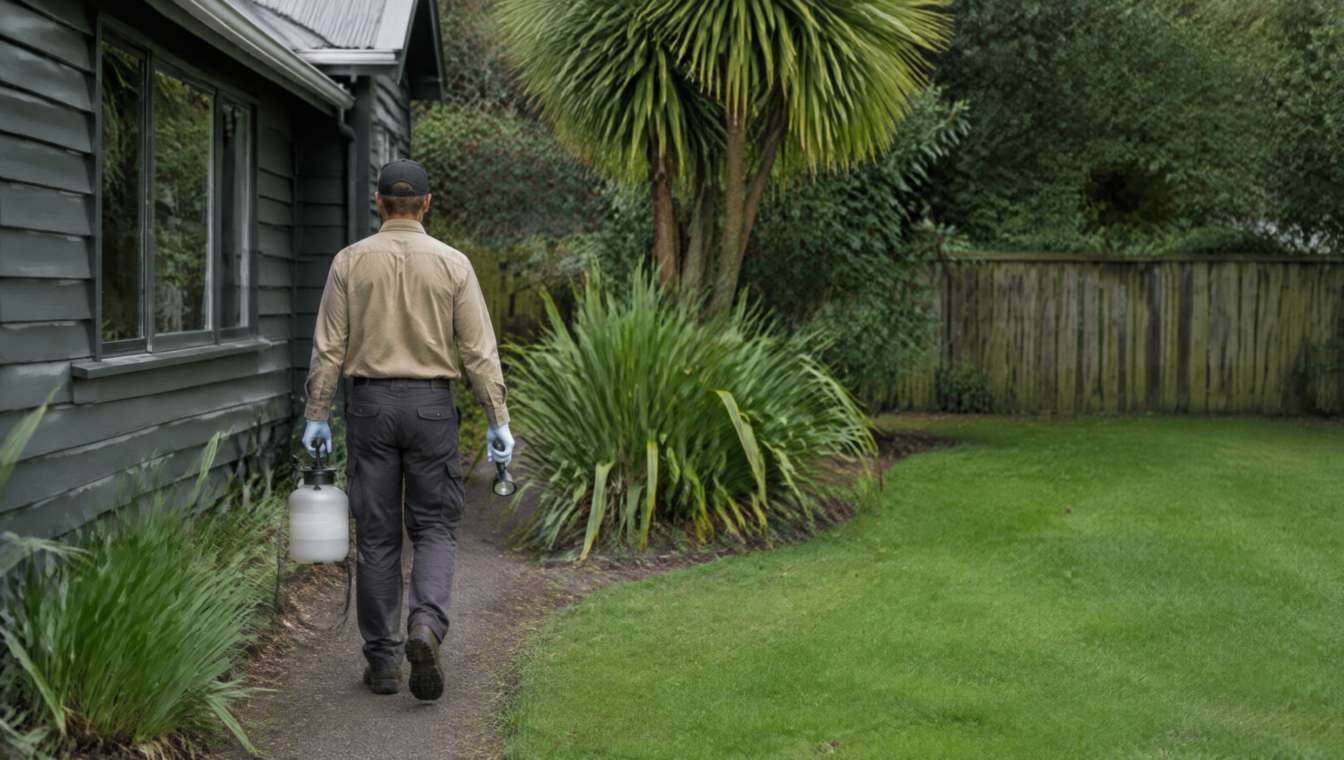
Whakatāne, Bay of Plenty
Pest control in Whakatāne
Kiwi in the bush behind town, and rat bait in the reserves twice a year.
Around Whakatāne and Ōhope, home pest control sits right beside kiwi reserves and a regional rat bait programme, so if you've got a dog, read the reserve signs first.
- Matched to what you've seen
- Only one local pest business gets your number.
Matched to what you've seen
Before a pest business can take jobs from Which Pest, we record the work it handles, so a borer job never lands with a business that only does wasps.
Only one local pest business gets your number.
We share your contact details with one local pest business so it can get in touch about this job.
Pest control in Whakatāne: what to know before anyone calls
On this page
Got a dog near the reserves?
Bay of Plenty Regional Council warns that poison baits or carcasses from its rat operation are deadly to dogs, and the risk lasts until carcasses have rotted, which may take several months. Don't touch bait or carcasses, and watch children at all times. If you think a pet has eaten bait, ring your vet now. If a child has swallowed bait, call the National Poisons Centre on 0800 764 766, or 111 if they're unconscious, struggling to breathe or look very ill.
What's different in Whakatāne
Rat bait, twice a year
The regional council says rats will be controlled in reserves around Whakatāne and Ōhope for three years, with pindone bait going out from 8 September 2025 and planned for September and March through to 2028. Warning signs go up before it starts. While they're up, residues may still be present in baits or animals.
Which reserves
The programme's sites include Ōhope Scenic Reserve, Kōhī Point Scenic Reserve and Mokorua Bush Scenic Reserve. The regional council runs it with Ngāti Awa, DOC, Whakatāne District Council and the Whakatāne Kiwi Trust, among others.
Kiwi close to town
The Whakatāne Kiwi Trust says more than 90 km of trapping lines cover over 2000 hectares of kiwi habitat, and kiwi numbers have grown from 4 adult pairs to over 350. Volunteers do most of it, going after stoats and other mustelids, rats, possums and feral cats.
Wasps in the same bush
The Trust has more recently started wasp control in its project area, because wasps compete with native birds for food. On your own land, the regional council's advisory programme leaves German and common wasps to the landowner or occupier.
Sunny, with more frost than you'd guess
NIWA says Whakatāne records 2237 hours of sunshine a year on average. Its table for the airport also averages 19.0 air frosts a year, against 3.9 at Tauranga Airport, and the airport's morning humidity runs at 83% against Tauranga's 78%.
Ants and mynas
DOC lists the Bay of Plenty among the places Argentine ants are known. Common mynas live throughout the North Island north of 40 degrees south, and they'll nest in cavities, including the eaves of a house.
What does the reserve programme mean at your place?
It stops at the reserve boundary. If rats are in your ceiling, that's still a job for your own house, and the reserve next door is one more reason to talk it through with the technician before any bait goes down.
Tell them if you live near a reserve and if you've got a dog or cat. Bait stations (locked boxes that hold rodent bait) are the usual tool, and what matters is where they go, how often they're checked and what gets written down. Ask what product they'd use, its full name, and for the safety data sheet.
Possums come up too. They're among the pests the programme lists at its sites, and DOC calls them one of the greatest threats to New Zealand's natural environment. Thumping on the roof at night is a good reason to read our possum page.
What would make us think twice about a quote?
- Bait laid loose where a dog or a child could get to it.
- No name for the product, or no safety data sheet when you ask.
- A rat treatment with no look at how they're getting in.
- A promise that the rats won't come back.
- No written record of what was used, where it went and when they'll return.

If it were our house in Whakatāne
If we walked a dog around Ōhope, we'd read the sign at every track entrance and keep the dog close while the signs are up. At home, we'd mention the dog to the pest business before anything else, then let them work out the rest.
Want someone to look at it?
Tell us what you've seen and your postcode, and a local pest business that handles exactly that calls you to talk it through.
Questions
Pest control in Whakatāne: common questions
When is the rat bait out around Whakatāne and Ōhope?
The regional council plans September and March each year, through to 2028. Go by the signs rather than the calendar, because the risk to dogs lasts after the bait has gone down.
Who deals with a wasp nest on my property?
You do. In the Bay of Plenty, German and common wasps are in the regional council's advisory programme, so managing them is the landowner's or occupier's responsibility. Leave the nest alone and get a pest business to look at it.
What if I spot mud packed into timber?
Don't disturb it, and call MPI. Mud in gaps in timber and mud tunnels up walls are the termite signs MPI describes, and a suspected find is a biosecurity report, not a pest job.
Seen a pest in Whakatāne? Tell us what it is.
What you have seen, one tap about it and your postcode. Then a local pest business that handles exactly that calls you.
Before anyone starts
What to ask a pest business
Related help
More on pest control in Whakatāne
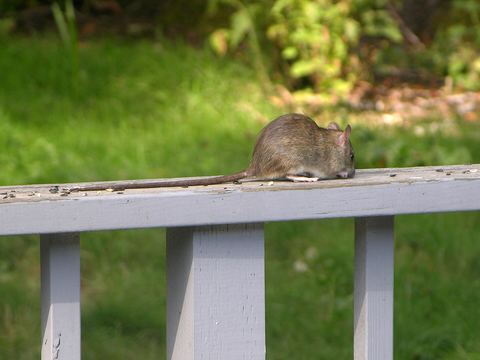 Rodent controlShip rat, Norway rat or mouse, why winter brings them indoors, and what a bait programme involves.Read it
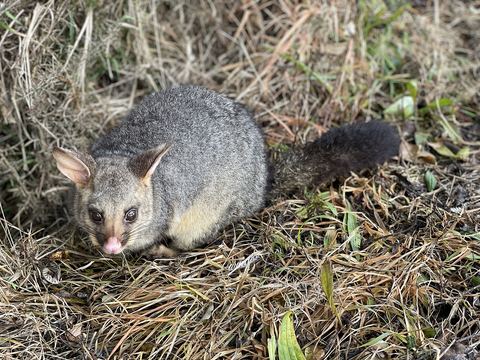 Possum controlHow to tell it's a possum, how they get into a roof, and what to ask a pest business.Read it
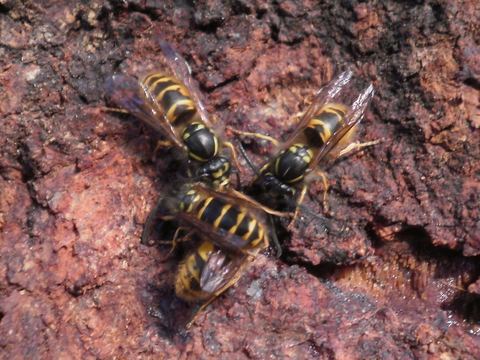 Wasp nest removalWhat to do first, which wasp you've got, and who deals with a nest on your land.Read it
 Before and after a treatmentGetting ready, when you can go back in, and what to ask about children and pets.Read it
 How to choose a pest controllerWhat to ask about qualifications, insurance, products and re-entry before you say yes.Read itTermites in New ZealandWhat MPI says, the signs to look for, and why a suspected find is a call, not a job.Read it
Where this information comes from
- Bay of Plenty Regional Council Toi Moana Whakatāne-Ōhope Environmental Programme, checked 3 November 2026
- Health New Zealand Te Whatu Ora Chemical poisoning, checked 3 November 2026
- National Poisons Centre (New Zealand) National Poisons Centre home page, checked 3 November 2026
- Whakatāne Kiwi Trust Pest control, checked 3 November 2026
- Bay of Plenty Regional Council Toi Moana German and common wasps, checked 3 November 2026
- NIWA (Chappell, P.R. 2013, Science and Technology Series 62) The climate and weather of Bay of Plenty, 3rd edition (PDF), checked 3 November 2026
- Department of Conservation Argentine ants, checked 3 November 2026
- New Zealand Birds Online (Wilson, P.R. 2013, updated 2022) Common myna, checked 3 November 2026
- Department of Conservation (NZ) Possums, checked 3 November 2026
- Ministry for Primary Industries Have you seen signs of termites? (brochure), checked 3 November 2026
Rules and advice change, so check the source before you act on anything here. How we write and check these pages.